【JOTO Dinnerware Recommendation】Heal at Your Own Pace, Bloom in Your Own Time, and Never Chase Someone Else’s Season
Flowers probably have no idea whether they are blooming early or late. Plum blossoms have their season, and lotus flowers have theirs. Each plant simply responds to the soil, water, sunlight, and climate around it, gradually unfolding the colors hidden within its leaves and branches when the conditions are right. Life is a little harder for us humans. From an early age, we are handed an invisible timetable: when we should finish school, when our careers should become stable, when we should find a partner. Later come expectations about owning a home, starting a family, achieving success, and all the things people insist we should have accomplished “by this age.” Watching the people around us bloom one after another, it is difficult not to feel anxious, as though the arrival of someone else's spring somehow proves that something is wrong with our own season. But life is not a greenhouse where everything is planted and harvested at the same time. The soil beneath each person's feet has always been different.
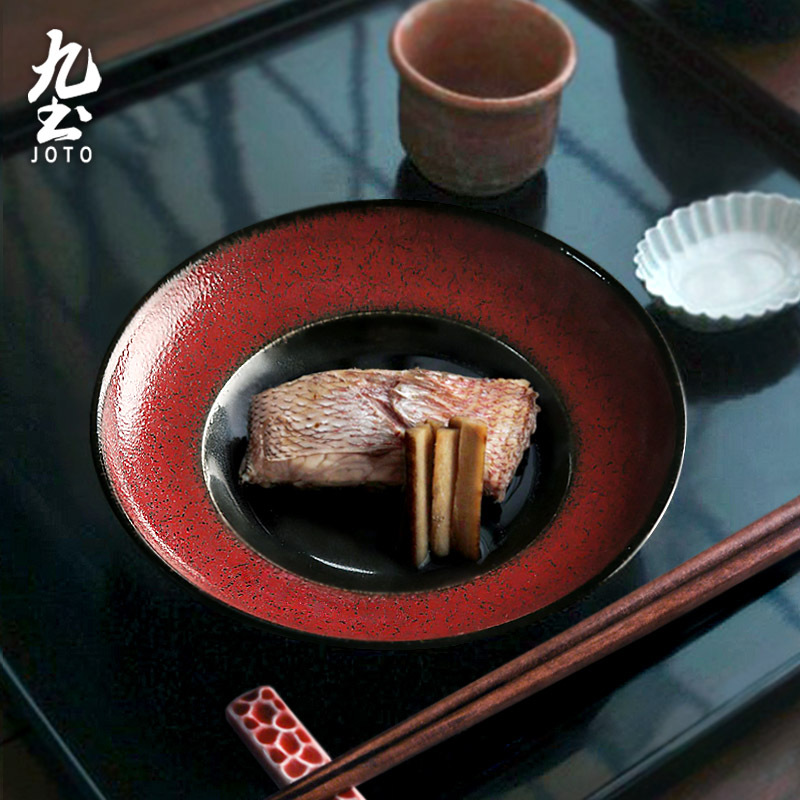
【Product Recommendation】JOTO Japanese Handmade Vintage Ceramic Dinner Plate_CJR0524
There is a fascinating song called You Huayuan (“A Walk Through the Garden”) in Taiwan's traditional Qianwang Ge Zhen, a ritual performance involving song and dance to guide the spirits of the deceased. As the departed soul passes through the various stages of the underworld, it eventually enters a garden. The song names flowers associated with each month of the year, bringing death and rebirth, farewell and renewal, into the same ritual. I find this arrangement particularly beautiful. Folk traditions do not divide life into simple beginnings and endings. Instead, flowers continue to grow beside what has withered. Those who have departed move on, while those who remain continue eating, loving, raising families, and living their everyday lives. The garden therefore becomes more than a beautiful scene. It reminds us that life has never followed a straight line. Some things must wither before others begin to sprout. Perhaps healing was never about erasing the past completely, but about slowly growing a new season from the ground that remains.
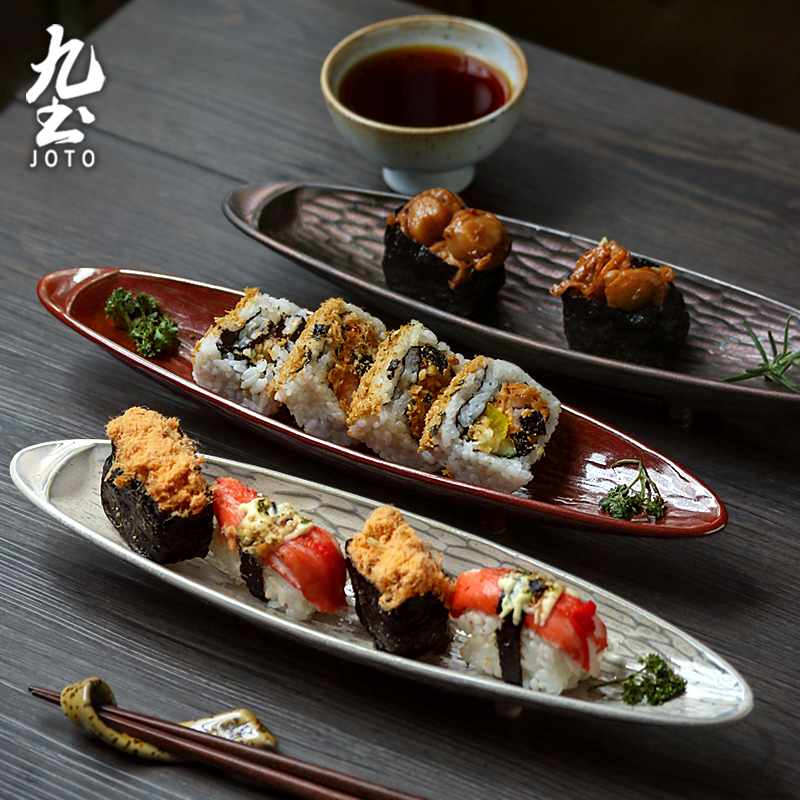
【Product Recommendation】JOTO Japanese Ceramic Long Sushi Plate_CJR0525
In the Taiwanese musical The Three Sisters, You Huayuan is reimagined as Hao Hua De Shi (“Flowers Bloom in Their Season”). The traditional idea that a beautiful flower should be picked at precisely the right time suddenly sounds rather unsettling when placed in the context of modern life, because we know this timetable all too well. Youth is not supposed to arrive too late, romance should ideally begin early, and women reaching a certain age are often reminded that their time to bloom is running out. The same expectations apply to careers. Someone still exploring their direction at thirty may be questioned about their plans, while starting over at forty is easily dismissed as too risky. Sociologists describe these expectations as age norms within the life course. Time is more than the numbers on a clock; it is also a form of social order. Who is considered on time, who is falling behind, who is praised for maturing early, and who is judged for being late have never been purely natural assessments.
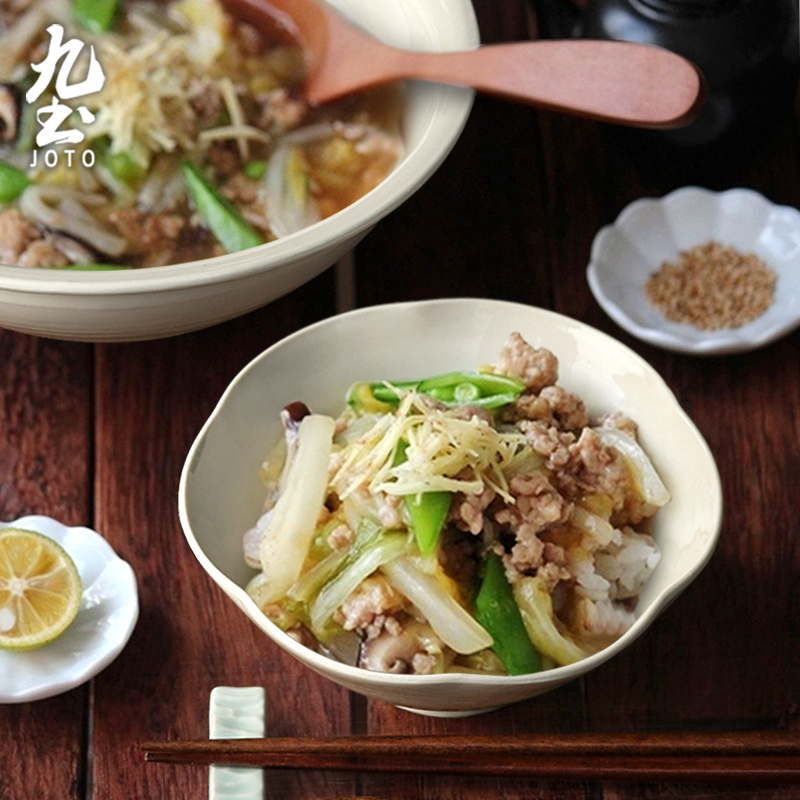
【Product Recommendation】JOTO Japanese Handmade Wood-Ash-Glazed Ceramic Soup Bowl_CJR0527
Yet the circumstances of people's lives differ too greatly for everyone to share the same blooming season. Some find a stable place in the world in their twenties, while others need many years to discover what they truly enjoy. Some meet someone they can build a life with early on, while others move through several long relationships before gradually understanding the kind of love they need. Social class, gender, family responsibilities, health, luck, and even the historical period into which someone is born can all shape how quickly they are able to move forward and how long they can afford to pause. This is why simply telling people “don't compare yourself to others” is not enough. What matters more is recognizing that different circumstances have always existed behind these differences in pace. A flower that blooms late is not necessarily one that failed to try hard enough. Perhaps it simply endured a longer winter. And that winter was not wasted. It, too, was part of life.
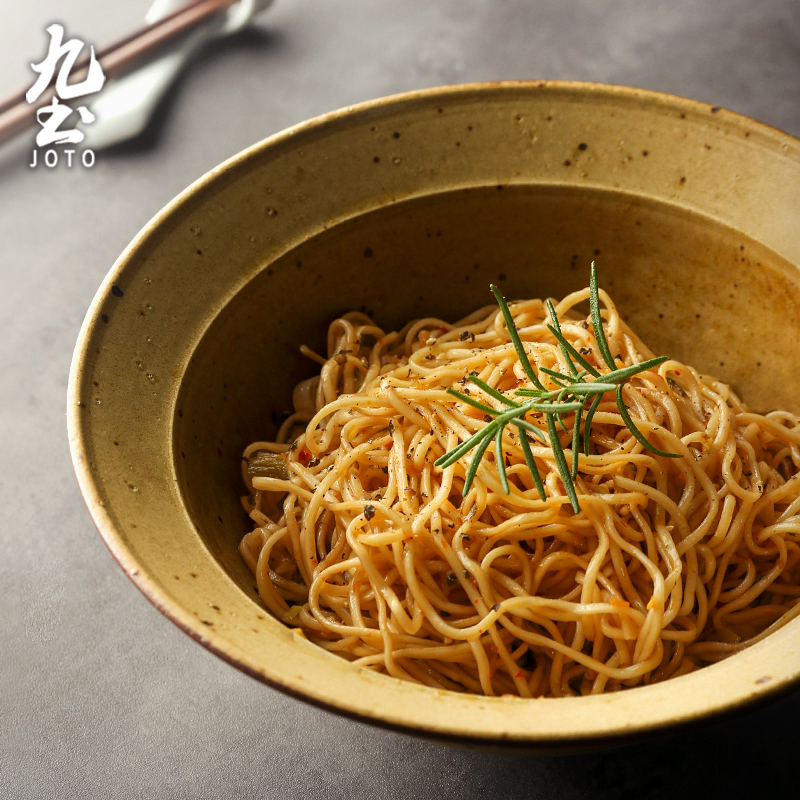
【Product Recommendation】JOTO Japanese Vintage Ceramic Dining Bowl_CJR0528
This is why I have grown so fond of the phrase “Never chase someone else's blooming season.” It does not mean giving up on growth, nor does it mean romanticizing the act of waiting. Rather, it means reclaiming the right to decide how we measure our own lives. Rest when you need to rest. If you are still tending to old wounds, give your roots time to grow strong again. When a new season arrives and you feel ready to move forward, let your branches reach out and see what happens. There is no need to force your own buds open simply because someone else's branches are already covered in flowers. You Huayuan sings its way through all twelve months, each with its own flowers. Perhaps what is truly worth looking forward to in life has never been the day when everyone blooms together. Perhaps it is the moment when, after weathering your own storms, you finally discover, at a time no one else has prescribed for you: I have blossomed, too. And this time, the season is entirely my own.
Want to see more products? Visit the JOTO official website.


