【JOTO Dinner Plate Recommendation】Are All Our Emotions the Price We Pay for Past Choices?
“Wasn’t this what you chose?” It is a phrase people often hear precisely when they are struggling the most. Someone is exhausted by their job, only to be reminded that they were the one who applied for it. A relationship ends in heartbreak, and others point out that they were the one who chose their partner. Someone moves to an unfamiliar city and feels lonely, and suddenly it seems as though they have lost even the right to feel sad—after all, they bought the plane ticket themselves. Over time, we begin to understand life as one long bill: every choice is a signature, and every disappointment, anxiety, and exhaustion that follows becomes a cost we are expected to pay on our own. This way of thinking may sound mature and responsible, but it quietly leaves out something important: on the day we make a decision, none of us can know in advance what the weather will be like for all the days that follow.
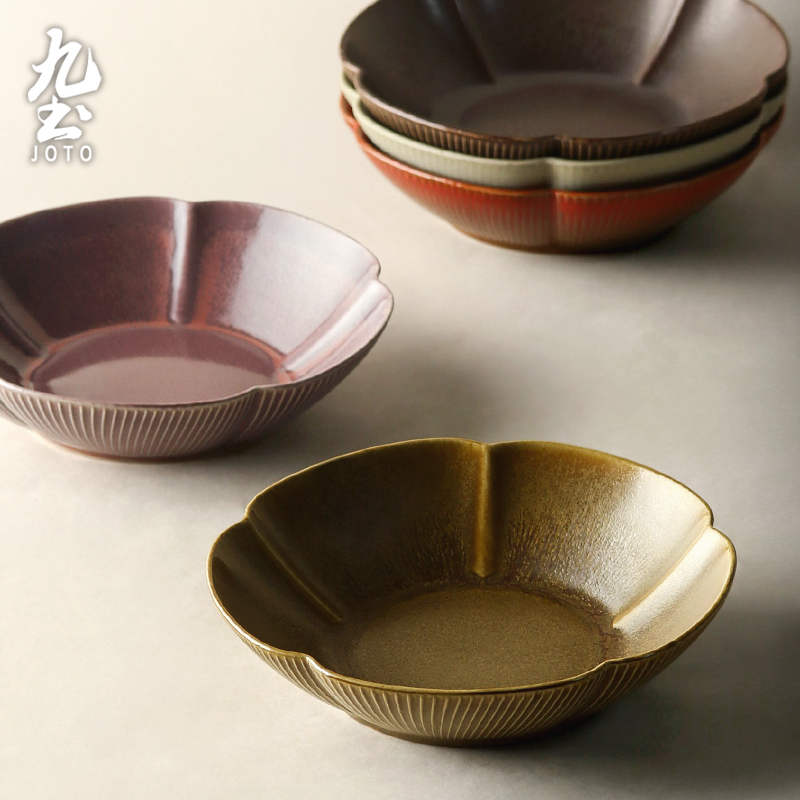
【Product Recommendation】JOTO Handmade Coarse Pottery Petal-Shaped Deep Plate_CJR0515
When psychologists study “attribution,” they have long observed how easily people attribute complex outcomes to individuals themselves. When someone loses their job, our first thought may be that they were not capable enough. When someone remains trapped in a painful relationship, we cannot help wondering why they failed to see the warning signs in the beginning. Personal decisions certainly shape our lives, but every decision is made under specific conditions. One person can quit a job they dislike because their family can support them for several months. Another may know perfectly well that their workplace is unhealthy, yet rent, caregiving responsibilities, and uncertainty about finding another job still require them to clock in every morning. Looking back after we already know the outcome, the path always appears clearer than it did at the time. To say, “You should have known better than to choose that,” is to take the answer we possess today and use it to blame the person who was still standing in yesterday’s fog.
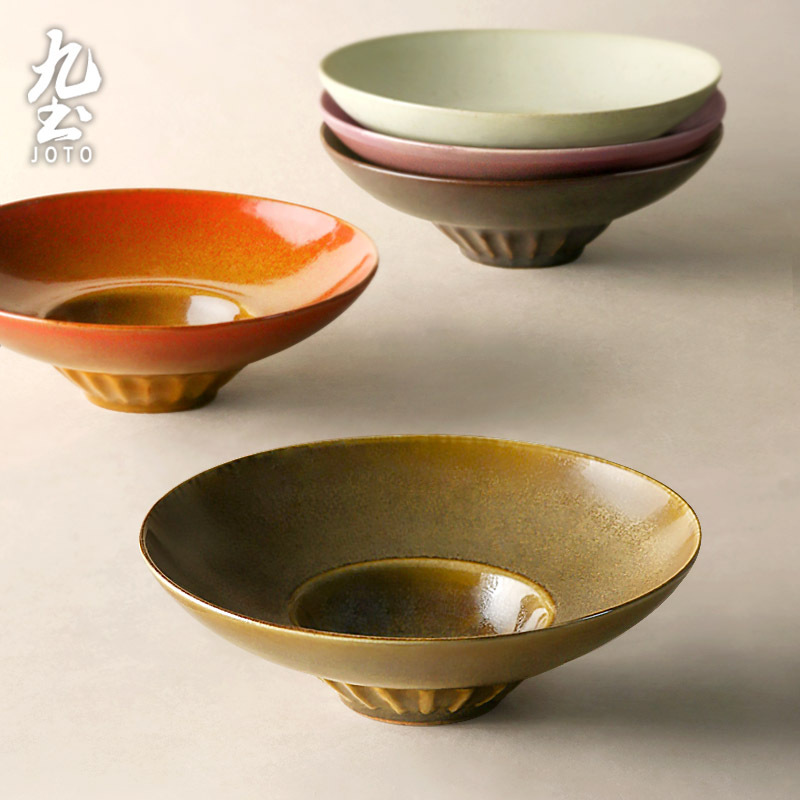
【Product Recommendation】JOTO Japanese Handmade Coarse Pottery Straw Hat Plate_CJR0516
Choice itself has never been as free as we like to imagine. The resources our families gave us, what we learned about love while growing up, the financial pressures we carry, and the paths that gender, class, and social position make seem possible all quietly draw the boundaries around our options. Two people may both be “choosing a job,” but one is comparing five offers while the other is wondering whether they can find anyone willing to hire them before the end of the month. Two people may both be leaving a relationship, but one only needs to pack a suitcase while the other must also reckon with housing, income, children, and the cost of rebuilding an entire social network. If we look only at the final nod of agreement or the signature on the page, it is easy to imagine that everyone was standing at an equally wide crossroads. Real life is far more complicated than a menu of choices. With limited abilities, incomplete information, and imperfect circumstances, we make, again and again, the decisions that seemed possible to us at the time.
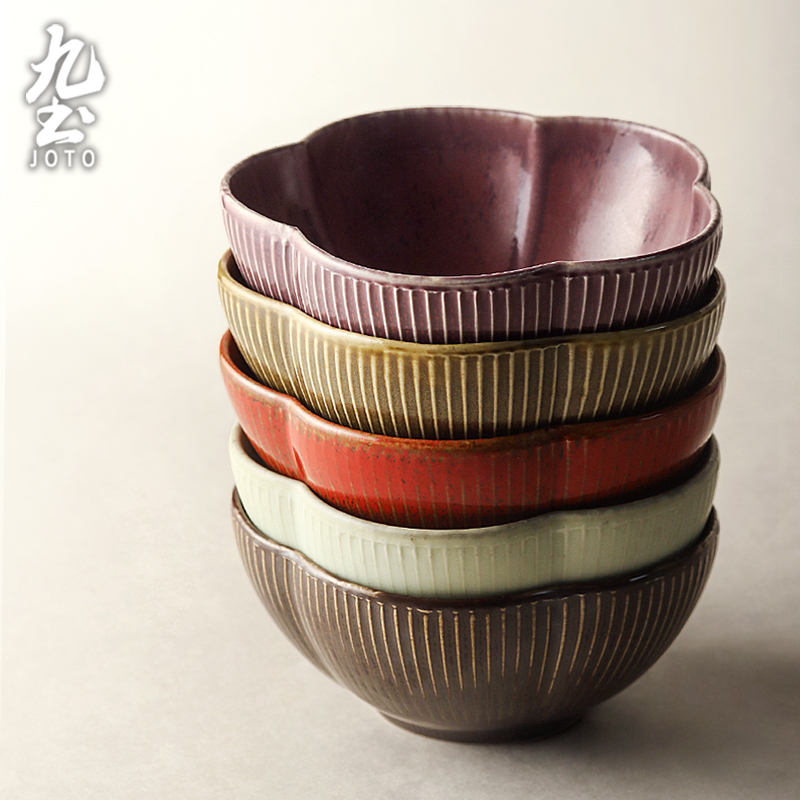
【Product Recommendation】JOTO Handmade Coarse Pottery Petal-Shaped Rice Bowl_CJR0517
Nor should emotions be treated as punishment. Regret can prompt us to reconsider what once mattered to us. Anger may signal that a boundary has been violated. Grief often accompanies loss, while anxiety arises when we sense threat or uncertainty. These emotions are not necessarily announcing, “You made the wrong choice.” More often, they are telling us that something matters deeply to us and that our present circumstances deserve attention. Even when a decision was genuinely our own, we are still entitled to feel differently about it once its consequences change. It can be true that we once loved someone, and equally true that we were later hurt within that relationship. It can be true that we once looked forward to a particular job, and equally true that years later we find ourselves completely depleted by it. Acknowledging what we feel now does not invalidate who we were then. It simply recognizes that, over time, we acquire new information and grow into new versions of ourselves.
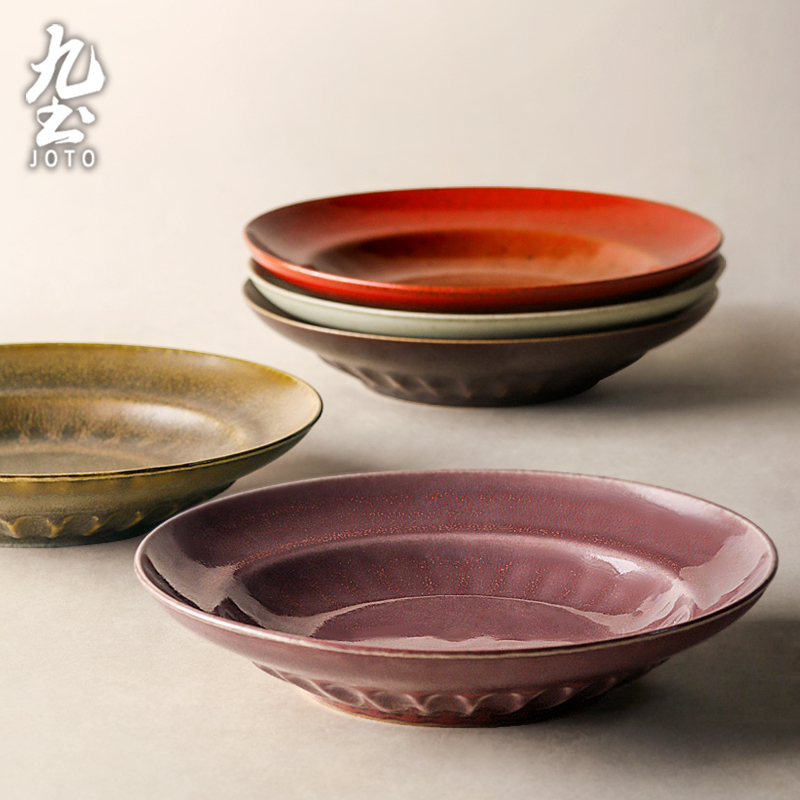
【Product Recommendation】JOTO Handmade Creative Coarse Pottery Dinner Plate_CJR0518
So the next time someone is hurting, I would like us to ask “Wasn’t this what you chose?” a little less often. Perhaps we could first consider where that person was standing when they made the decision, and how many cards they actually had in their hand. Of course, we need to take responsibility for our actions. But responsibility does not have to mean swallowing every consequence alone, nor should it become an excuse for refusing to understand someone else. We can reconsider a decision and choose differently next time while still allowing an exhausted person to admit that they are genuinely tired. To live is to move constantly among the consequences of choices we have made, choices other people have made, and circumstances that descended upon us without anyone choosing them at all. If emotions really are a bill, then I hope we can at least read it carefully: which costs truly came from our own decisions, which were co-signed by the circumstances around us, and which should never have been ours alone to pay in the first place.
Want to see more products? Visit the JOTO official website.


