Ever since finishing Tetsuya Terao’s The Bullet Is the Rest of Life, I’ve been carrying around a heaviness that refuses to leave. It isn’t simply because the novel is bleak, nor because its characters are exceptionally brilliant or distant from ordinary life. What lingers is how closely it captures a condition many of us already know: some people appear destined for success. Their résumés are polished, their minds are sharp, and their futures seem bright. Standing among others, they look as though fate chose them early. Yet when you look more closely, you realize that what appears to be protection can sometimes be another kind of burden. Others see talent, achievement, and promise. The person carrying them may be enduring loneliness, competition, shame, and a form of exhaustion that even they struggle to explain.
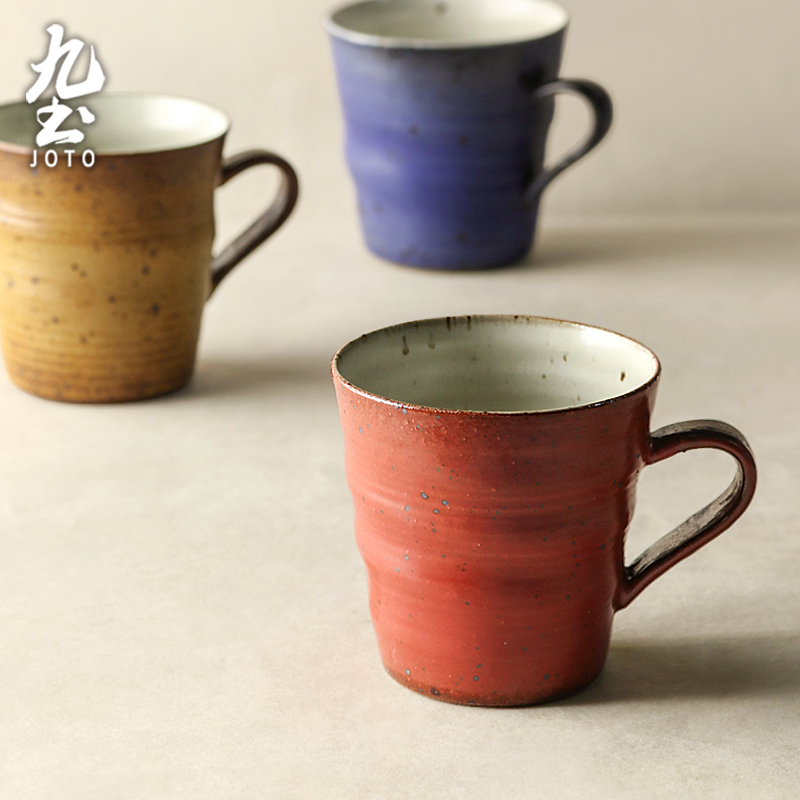
[Product Recommendation] JOTO Handcrafted Rustic Vintage Coffee Cup_CFR0125
What makes this novel unsettling is that it refuses to portray genius as a blessing or excellence as a shield against suffering. Instead, it reveals another distortion hidden within the lives of those who have always succeeded. The earlier someone is placed on society’s scale of comparison, the more likely they are to see themselves only as something to be measured. Grades, competitions, admissions, careers—each achievement appears to be a step upward. Yet the human heart does not automatically become more secure simply because life keeps moving forward.
Often, what wears people down is not failure, but the realization that they are still standing where others call “success” while secretly wondering what remains of them if they ever stop. And so life continues. Outwardly, everything moves forward. Inwardly, cracks begin to spread.
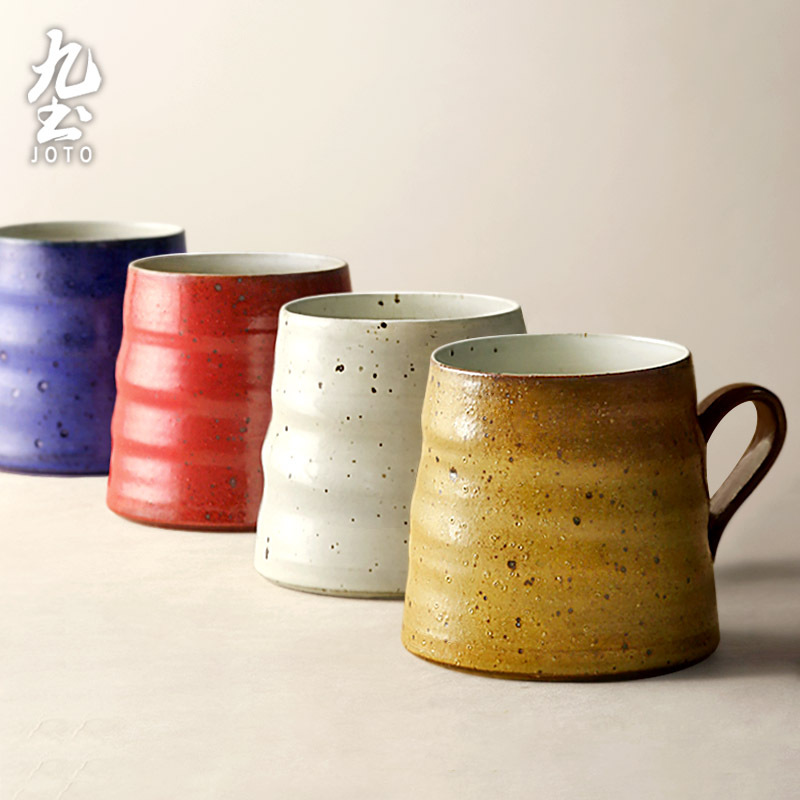
[Product Recommendation] JOTO Handcrafted Rustic Vintage Coffee Cup_CFR0126
Psychology has long reminded us that high achievement and vulnerability are not opposites. People who grow up being praised for their intelligence, encouraged to perform, and expected to excel often learn to tie their self-worth to their accomplishments.
Over time, it is not that they stop feeling pain. Rather, they become less willing to admit that they feel pain at all. They do not lack emotions; they simply learn to hide them while continuing to deliver whatever is expected of them. Others see the results. They feel the pressure of a breath held for far too long: Don’t stop. Don’t slow down. Don’t let anyone discover that you’re struggling.
This is what many days of simply enduring actually look like. Not a dramatic collapse, but waking up on time, replying to messages, completing responsibilities, and carrying on as usual—even when there is almost no energy left inside.
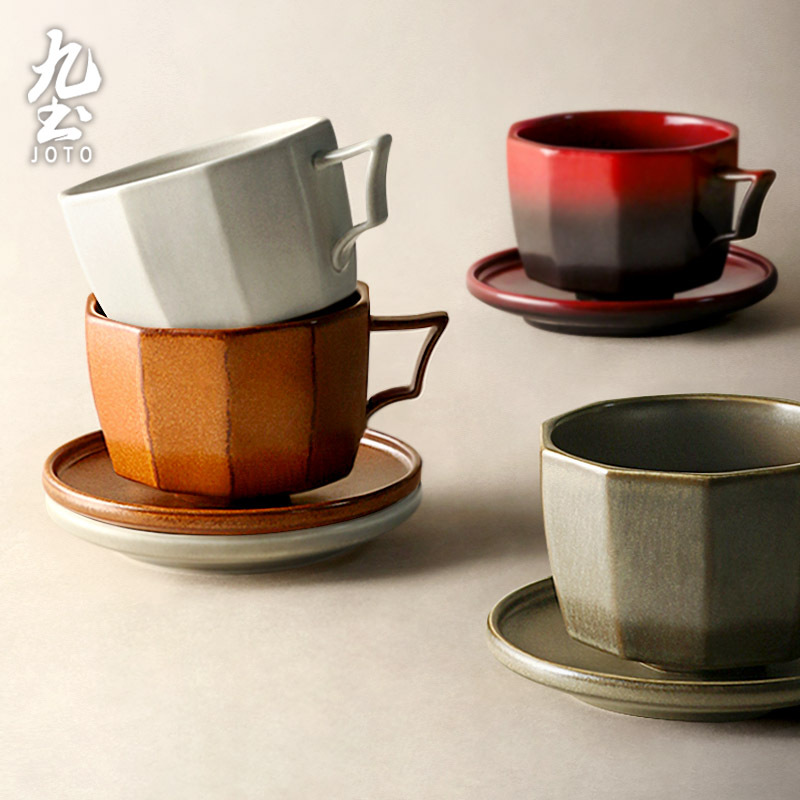
[Product Recommendation] JOTO Japanese Handcrafted Vintage Coffee Cup & Saucer_CFR0127
Perhaps because of this, I increasingly believe that caring for someone cannot be measured by whether they are still functioning. Being able to meet a deadline does not mean someone is okay. Being able to laugh does not mean they are not exhausted. Continuing to move forward does not mean they are free from self-doubt in the quiet hours of the night.
This is one reason literature matters. It forces us to look beyond appearances. It refuses to let us close the case with a simple “they’re doing great.” It refuses to mistake silence for strength. The people who seem unbreakable may be spending enormous amounts of energy simply holding themselves together.
If we admire only the brightness and never try to understand the burns hidden behind it, many people who most need support will be left carrying everything alone.
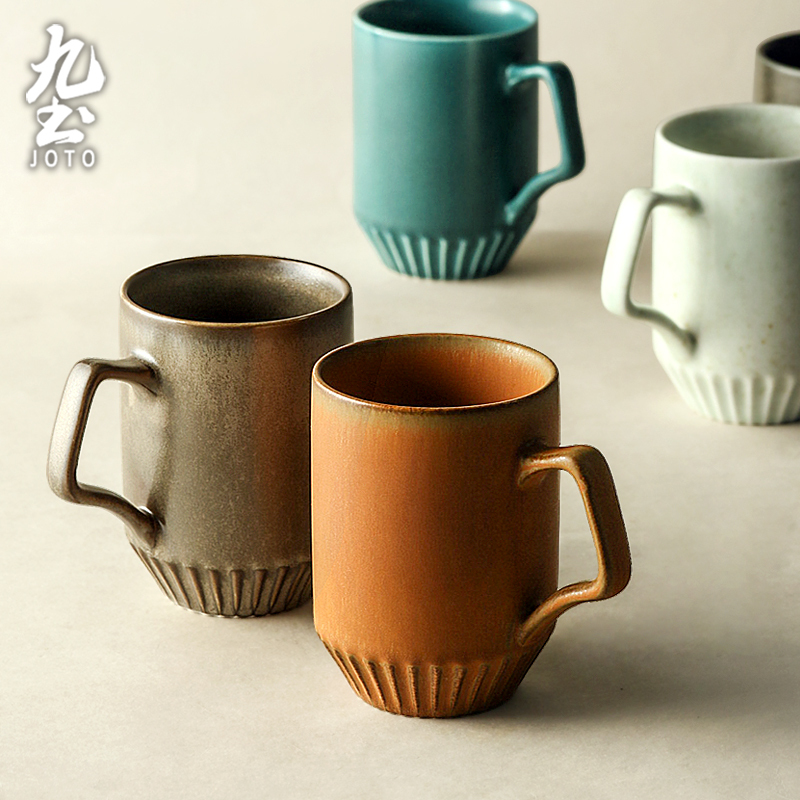
[Product Recommendation] JOTO Handcrafted Creative Ceramic Coffee Cup_CFR0128
After finishing The Bullet Is the Rest of Life, what stayed with me was not how distant genius feels, but how familiar this experience can be. Most of us have known periods when everything appears normal on the surface while something inside feels worn dangerously thin.
We may never live under such extreme pressure or occupy such visible positions, yet many of us understand what it means to keep going when we are already exhausted. We know how to continue meeting expectations, how to carefully hide our sadness, and how to maintain composure in front of others.
But people are not machines, and wounds do not disappear simply because they remain unseen. The days we spend holding everything together through sheer determination rarely need another reminder that we are “doing fine.” What they need is someone willing to pause long enough to ask: Are you tired? And if the answer is yes, perhaps you do not have to keep carrying everything alone.
Looking for more products? Visit our official website: https://www.jotomall.com/


