[JOTO Glassware Recommendation] The Power of Affect: No Matter What Fears Arise, You Are Not Trapped in Despair
At times, life feels like walking through fog—the way ahead is blurred, the noise behind you grows louder, and your feet refuse to move. You know that “thinking harder won’t produce an answer,” yet the mind keeps spinning. This piece introduces affect in the clearest terms, drawing on Brian Massumi, especially his reminder in the first chapter of The Politics of Affect: at every moment, we are crossing a threshold.
What this means is simple but crucial—things are not “stuck”; they are in the act of passing through. The passage is often quiet, almost imperceptible. We may not arrive all at once, but we can always take the next small step. This is not feel-good advice; it is a shift of attention—from obsessing over an unknowable ending back to what can be done right now.

【Product Recommendation】JOTO Japanese Crescent Heat-Resistant Glass Tea Cup_CUPR0506
“Emotion” names what we can say aloud—anger, fear, hurt, joy. It works like a label, helping us sort inner states. But before a label appears, the body has already moved: a racing heart, tightened shoulders, a knot in the stomach, sweaty palms. That earlier force is affect.
Think of them as a sequence: affect comes first as a bodily push; emotion follows seconds or minutes later as the mind’s explanation. We like to believe reason runs our lives, yet in decisive moments, the body often decides first and the mind supplies reasons afterward. This is why Massumi places affect at the frontline of events—where perception and response move faster than language.

【Product Recommendation】JOTO Japanese Handcrafted Striped Glass Cup_CUPR0507
Imagine pushing a heavy door. At first it doesn’t budge, but you are already changing it—the hinges shift, the force redistributes—just not enough to see yet. The threshold is the instant it finally loosens. What matters most, though, is the accumulation before that moment.
Massumi describes this “passing a threshold” experience: surrounded by multiple possibilities, the body rapidly reads the terrain and grasps a direction for the next step. Thinking isn’t just happening in the head; the event is thinking through us. So when you feel stuck, don’t rush to conclude it’s useless. Crossing is hard to see while it’s happening—like water heating in the dark. It hasn’t boiled yet, but it is closer than before.

【Product Recommendation】JOTO Handcrafted Glass Tea Cup with Filter Insert_CUPR0510
Much anxiety comes from trying to imagine the entire ending at once. The more we do, the heavier it gets—until we’re afraid to move at all. If you refocus on the threshold of now, you’ll notice small, doable actions: make the call you’ve been avoiding, fill in today’s missing document, draft the words you need to say, reclaim an extra hour of sleep.
These “minor” acts are exactly what widen the crack in the door. Affect gets us moving first; emotion follows. When the body completes a bit of feasible action, the mind is less likely to frame everything as all-or-nothing. This isn’t avoidance—it’s grounding control where it exists, helping the next threshold arrive sooner.
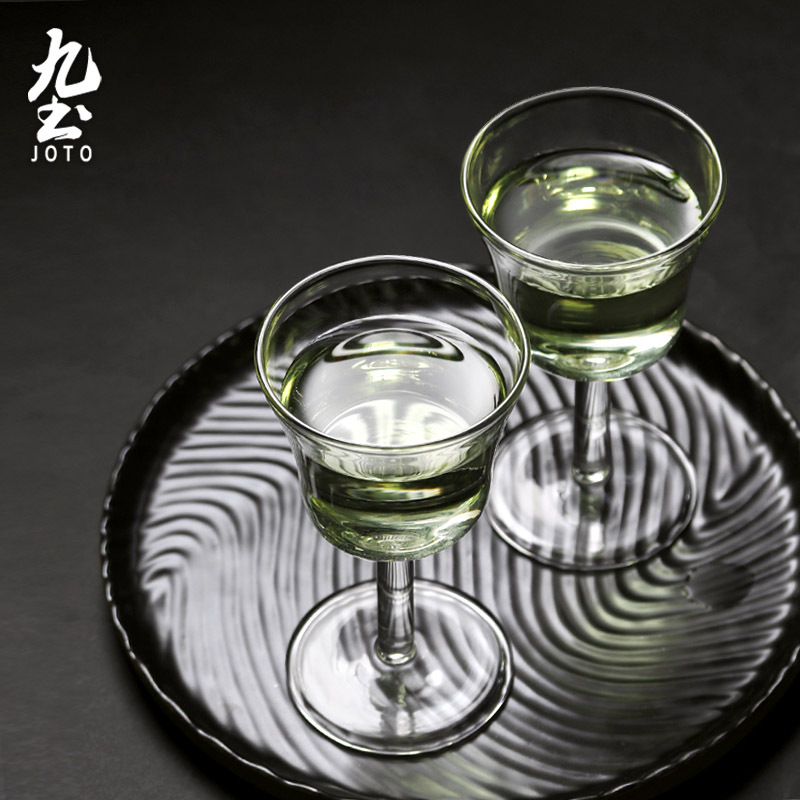
【Product Recommendation】JOTO Japanese Stemmed Glass (Monkey King Tea Glass)_CUPR0513
When facing difficulty, we often carry two weights at once: fear of failure and expectation of perfection. Fear weakens the legs; expectation tightens the shoulders—pulled both ways, we freeze. Try changing the order. Don’t force yourself to “stop being afraid,” and don’t demand excellence upfront. Let affect land first.
Go see the place once. Make the first confirmation call. Write down three questions you need answered. When your body is present, the situation returns new information; possibilities multiply beyond the two or three endings looping in your head. Massumi’s point is modest but powerful: participation precedes judgment. Once you re-enter the situation, fear and expectation break into manageable pieces of work.
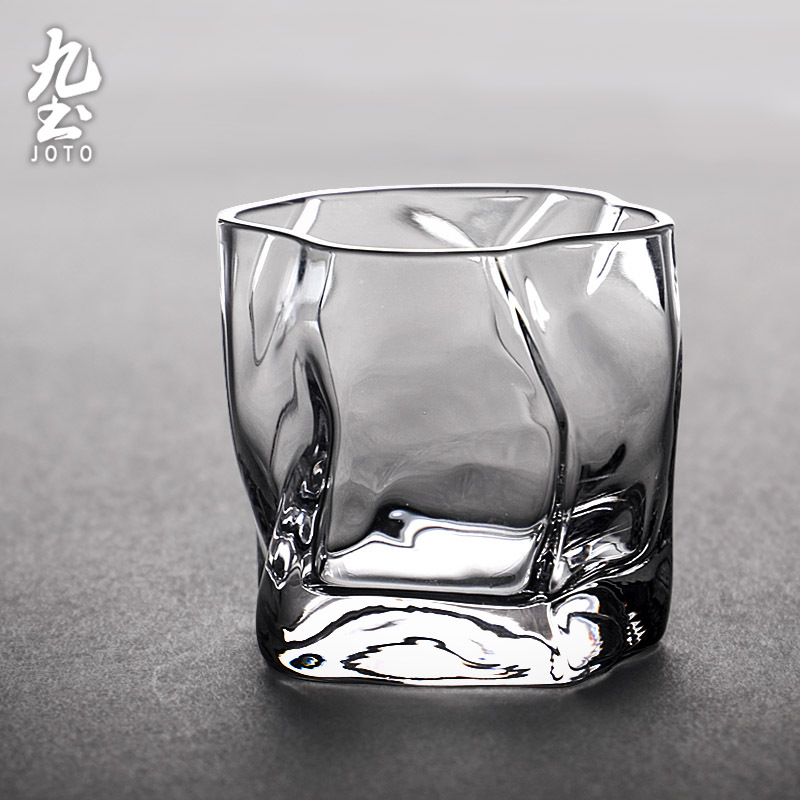
【Product Recommendation】JOTO Japanese Twisted Character Glass_CUPR0514
When you view life through the lens of thresholds, you stop seeing only walls and begin to notice doorways. Every moment is a crossing—not just of obstacles, but of how you see yourself. You realize you’re less fragile than you thought, more capable of bearing and adjusting.
By acknowledging that affect comes before words—and that action generates new thought—bottlenecks become passages, slowly opening in the space between “not yet” and “about to.” We don’t need to arrive all at once; there may never be a final, finished endpoint. But if you can move half a step today, another threshold will be waiting tomorrow. And then you can say, with quiet certainty: I’m still crossing. I’m still moving forward. That is enough.
✨ See more products on our official site: https://www.jotomall.com/


