Very few people recognize at the beginning that a relationship is slowly becoming toxic. Most of the time, things do not collapse all at once—they seep quietly into daily life. At first, it may simply feel like conversations are becoming increasingly uncomfortable. Concern gradually turns into interrogation. Closeness begins to carry control. The space where you once felt free to be yourself slowly becomes a place where you are questioned, diminished, and disciplined.
You notice yourself speaking more carefully, replying to messages more quickly, even rehearsing explanations in your mind before resting, spending time alone, or meeting friends. Toxic relationships are rarely defined by obvious villainy. More often, they are relationships that repeatedly leave a person smaller, more confused, and emotionally exhausted—until they slowly lose touch with their own rhythm, and even understanding their own feelings becomes difficult.
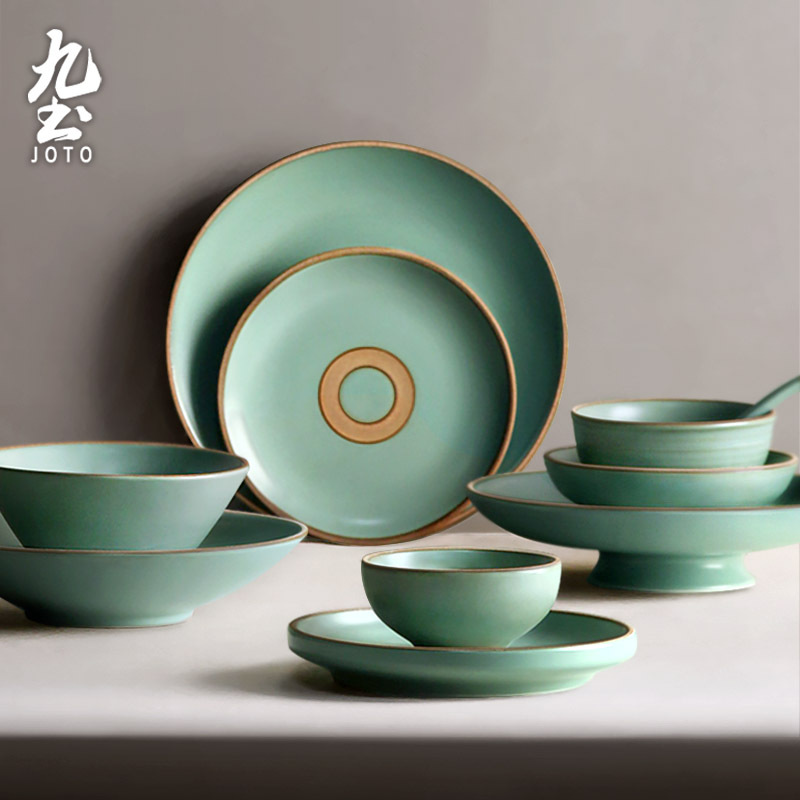
[Product Recommendation] JOTO Handcrafted Vintage Ceramic Tableware Set_CJR0494
Recognizing this kind of relationship is not about measuring how intense a single argument becomes. What matters is whether the same unsettling patterns keep repeating.
Does the other person frequently belittle you, only to dismiss it as “just joking”? Do they constantly check your phone, question your whereabouts, and disguise control as concern? Have you begun doubting your friends, your work, your family—or even your own judgment?
The real warning signs are rarely isolated hurtful comments, but the underlying impulse to control how you think, act, and relate to the world. When a relationship leaves you increasingly anxious, unable to relax, or constantly wondering whether you are simply “too sensitive,” it is often not overthinking at all. Your body and emotions may already be recognizing something important: this does not feel safe.
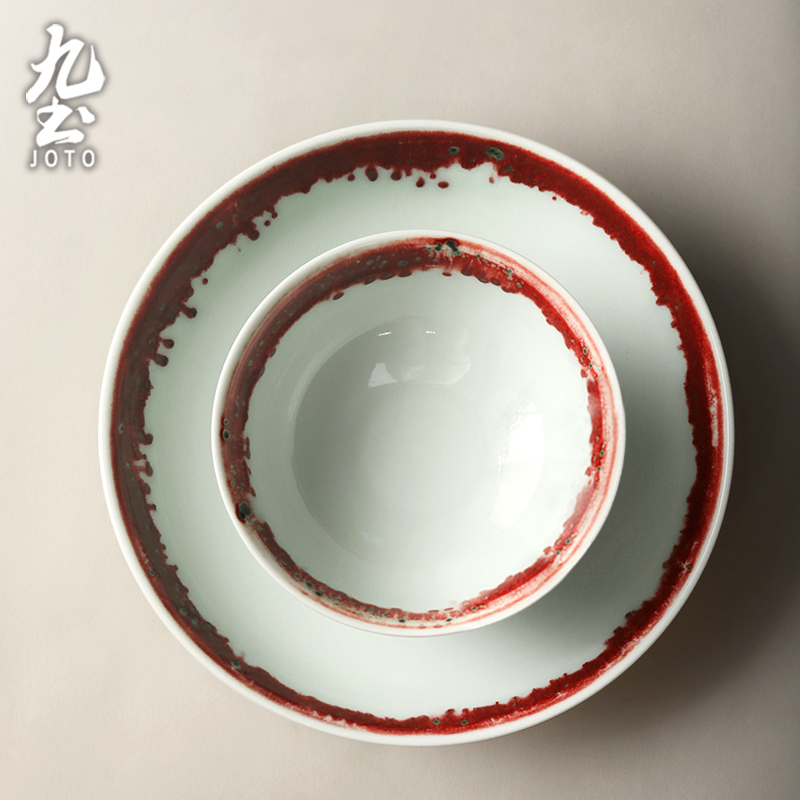
[Product Recommendation] JOTO Vintage Creative Ceramic Bowl & Plate Set_CJR0495
The difficulty of Passive-aggressive behavior lies precisely in how indirect it can be. It is not always loud or openly confrontational, yet it leaves a constant discomfort beneath the surface.
Someone may insist “I’m fine” while expressing anger through silence, delayed replies, intentional lateness, or subtle noncooperation. Others may hide criticism inside sarcasm, backhanded compliments, or seemingly polite remarks. The exhausting part is that you feel hurt, yet struggle to explain exactly what happened. Eventually, you may find yourself cleaning up the emotional atmosphere and carrying responsibility for someone else’s unresolved feelings.
With people like this, the most effective response is often not immediate retaliation, but slowing the interaction down and bringing hidden tensions into the open. You can ask directly: “What did you mean by that?” Or say clearly: “If something is bothering you, I’d rather you tell me openly. This way of communicating makes me uncomfortable.” Sometimes simply exposing the hidden current is enough to disrupt the dynamic.
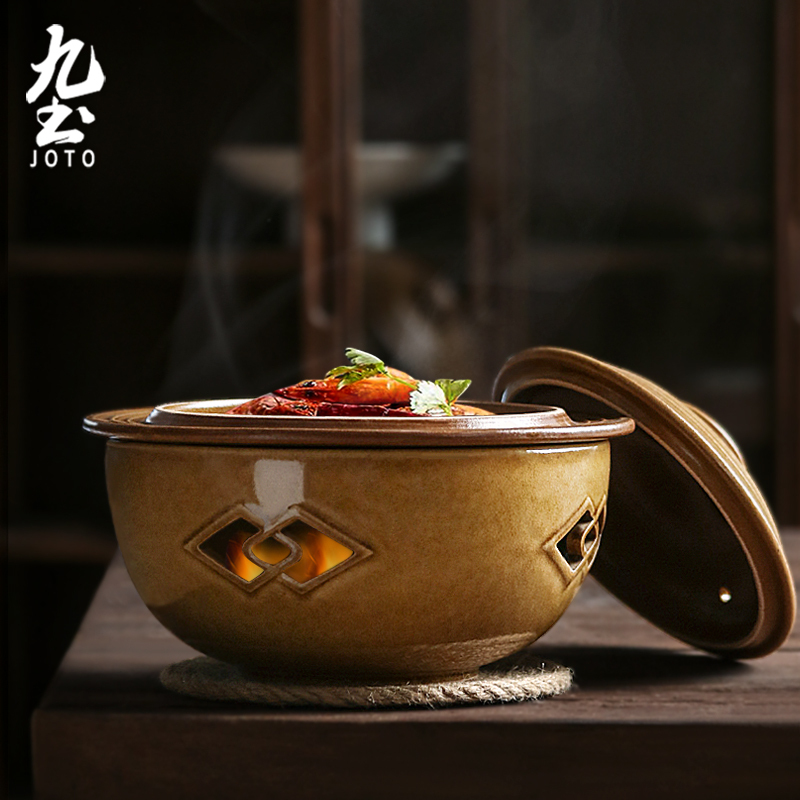
[Product Recommendation] JOTO Handcrafted Clay Dry Pot & Casserole_CJR0496
Yet perhaps the more difficult—and more important—task is making sure we do not become this kind of person ourselves. Passive aggression is often born not from cruelty, but from fear: fear of conflict, inability to refuse, uncertainty about how to express disappointment honestly.
People say yes while inwardly resisting. They remain calm outwardly while retaliating indirectly. They want understanding, yet never clearly communicate what they need. Over time, others stop understanding them—and they stop understanding themselves as well.
Healthy communication does not mean being endlessly gentle. It means translating emotions into honest language: “I’m upset right now.” “I need time to process this.” “I can’t do that.” “What you said hurt me.” Directness is not cruelty, and boundaries are not heartlessness. Many relationships decay because people hide the truth of what they feel, leaving only attitudes and unspoken tension to quietly wear each other down.
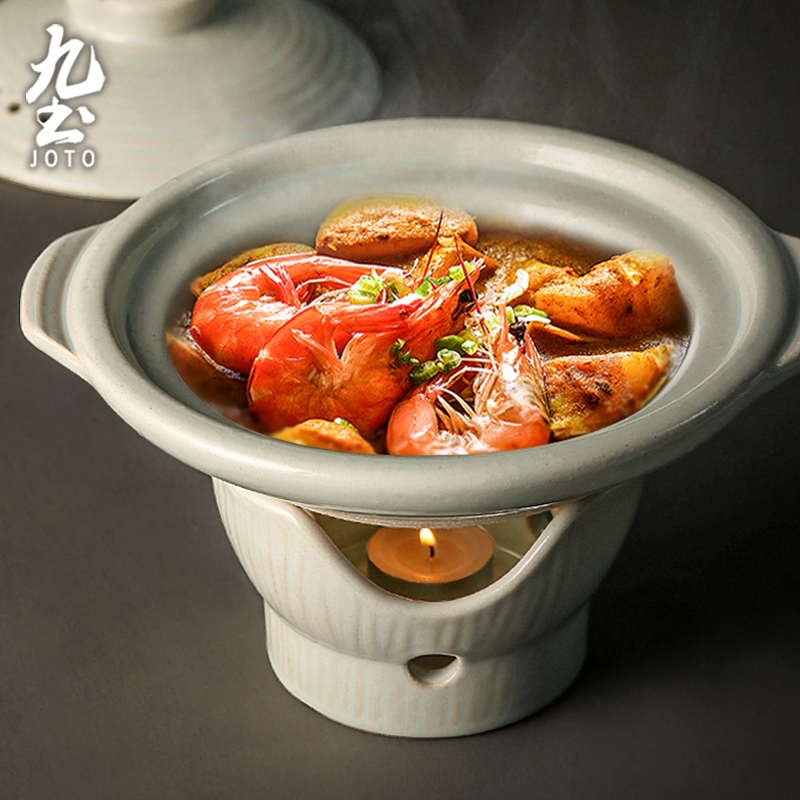
[Product Recommendation] JOTO Japanese Handcrafted Shallow Clay Pot_CJR0497
Ultimately, self-care is not about shutting yourself away from others. It is about learning how to stand firmly in your own place within relationships.
When a relationship leaves you chronically anxious, exhausted, sleepless, unable to eat, or endlessly replaying conversations to wonder whether you “said something wrong,” do not rush to prove how much you can tolerate. Speak to someone you trust. Write down the interactions that made you uncomfortable so your feelings become tangible again. State your boundaries clearly and observe whether they are respected.
And if someone repeatedly crosses those boundaries—through manipulation, threats, stalking, isolation, coercion, or violence—then the priority is no longer preserving the relationship, but protecting your own safety.
The healthiest form of closeness has never required someone to erase themselves for the sake of peace. Real intimacy grows where people can breathe, speak honestly, and feel respected. Rejecting toxic relationships is not about becoming cold. It is about finally understanding that gentleness should also be given to yourself.
Looking for more products? Visit our official website:https://www.jotomall.com/


