【JOTO Mug Recommendation】Let Things Be as They Are, and Let Things Not Go as Planned
We learn early in life to make plans for the future. At what age we should graduate, when we should find a job, how much money we ought to have saved by a certain year. Trips need itineraries prepared in advance, workouts need data to track our progress, and even rest is ideally supposed to make us more productive for whatever comes next. There is nothing inherently wrong with planning. It gives our lives direction and offers a little reassurance amid uncertainty. But increasingly, we seem to forget that life never promised to follow our plans. Something we prepared for carefully may still fall through. People we cherish may still leave. A life that finally seems stable can suddenly change on an ordinary Tuesday. And often, what torments us is not simply that things failed to happen as we imagined, but the question that immediately follows: Did I do something wrong?
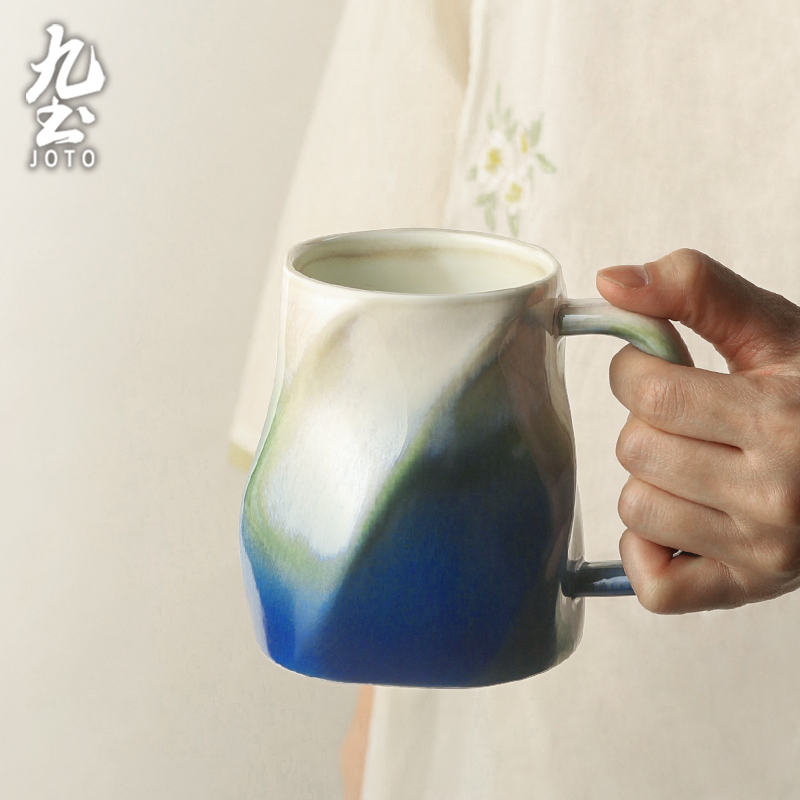
【Product Recommendation】JOTO Kiln-Changed Irregular-Shaped Ceramic Coffee Mug_CFR0148
Sociologist Hartmut Rosa argues that modern society is driven by a profound impulse toward control. We are constantly expanding the portion of the world we can make manageable: reaching distant places faster, predicting the weather more precisely, organizing our time more efficiently, and using ever more tools to track our work, health, and daily lives. Strangely, however, greater control does not necessarily make us feel more secure. That is because control can easily become another obligation. If there is a method, we should be able to get it right. If something can be managed, then failure begins to look like our own responsibility. Life gradually becomes a project that can always be optimized a little further, until even accidents begin to feel like failures of planning. In the end, we exhaust ourselves trying to hold the world more tightly, only to find that what remains in our hands may be nothing more than fatigue.
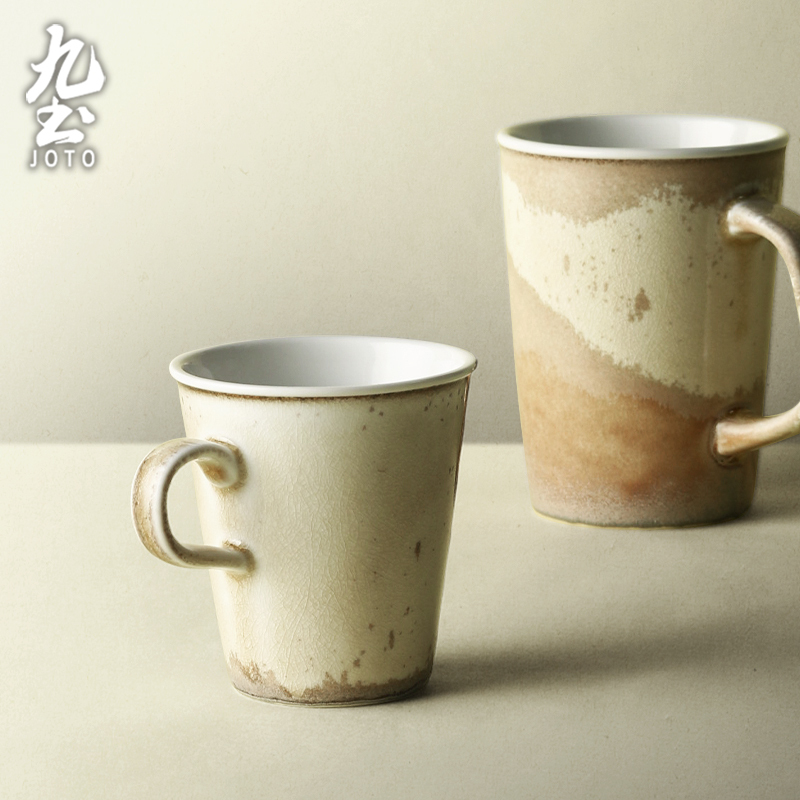
【Product Recommendation】JOTO Handmade Ceramic Mug & Everyday Coffee Cup_CFR0150
“Let things be as they are” takes on another meaning from this perspective. It does not mean telling ourselves that everything is fine, nor does it mean silently accepting harm, injustice, or oppression. What can be changed is still worth changing, and places we need to leave should still be left behind. Allowing things to be is closer to first acknowledging that something has already happened—and that reality was never obligated to follow our script. We did not get the job. The relationship did not last. We worked hard for a long time and still did not get the outcome we wanted. Before deciding what to do next, perhaps we can stop arguing with reality that “this wasn’t supposed to happen.” Acknowledging what is actually in front of us may instead free up the energy we need to ask a more useful question: What paths are still open to me now?
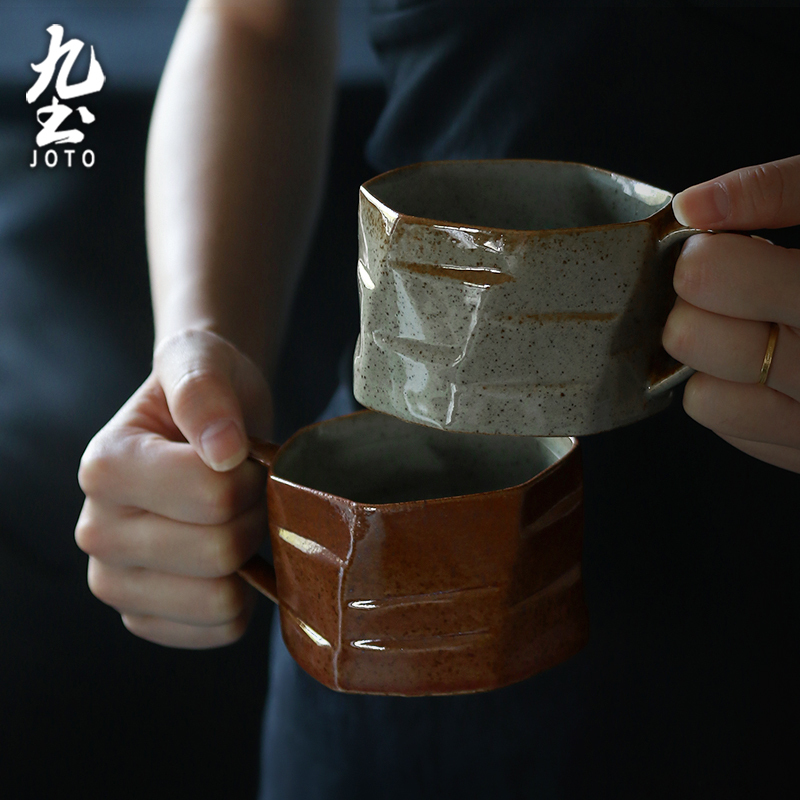
【Product Recommendation】JOTO Vintage Coffee Cup and Saucer Set_CFR0151
As for “letting things not go as planned,” I increasingly think of it as a difficult kind of freedom. People in late modern society are taught to take responsibility for their own lives, and over time, it becomes easy to confuse responsibility with control: choose the right major, maintain your relationships properly, manage your emotions well, and if you follow the correct steps, surely you should receive the outcome you hoped for. But the world is not a vending machine. Loving someone inherently includes the possibility that they may not love you back. Working hard still takes place within economic conditions, class positions, and institutional structures beyond any individual’s control. You can plan a trip down to the smallest detail, and the sky can still decide to rain. To genuinely engage with the world has always meant allowing it to answer us—and accepting that its answer may not be the one we wrote in advance.
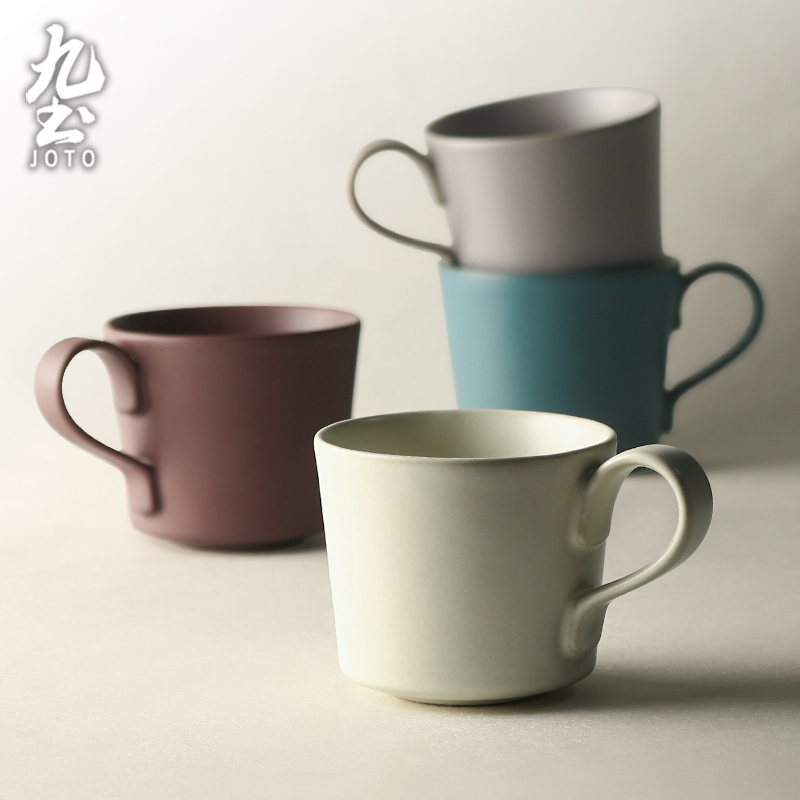
【Product Recommendation】JOTO Handmade Ceramic Coffee Mug_CFR0152
Perhaps life truly begins to loosen its grip on us when we finally stop demanding that everything serve as proof that our plans were right. When flowers bloom, we can stop to look at them; when the rain comes, we can find somewhere to take shelter. We can still work wholeheartedly toward the things we want and love the people we care about deeply, without treating the outcome as a verdict on who we are. The moments when things do not go as planned do not necessarily deserve our gratitude, nor do we need to force every disappointment into the shape of a gift. They are simply part of what it means to be alive. Allowing the world to retain some right to exist beyond our control also gives us a little room to stop feeling responsible for controlling everything. When we finally loosen our grip, life does not become any more predictable—but perhaps, for the first time, it stops being merely a plan waiting to be completed.
Want to see more products? Visit the JOTO official website.


