At dinnertime, one person brings the soup to the table while another casually sets out the bowls and chopsticks. Someone remembers there are leftovers from yesterday in the refrigerator; someone else sends a message before coming home to ask, “Do you need me to pick anything up?” We rarely pause in moments like these to formally declare that we are family, yet our relationships deepen through these small, repeated acts. Living under the same roof, eating from the same pot, knowing who has not been sleeping well lately, who dislikes cilantro, or whose late return means leaving a light on for them—these seemingly trivial routines have always been answering an ancient question: What makes people kin to one another? If we understand kinship only as lines drawn on a family tree, we risk overlooking much of the love that actually takes place in everyday life.
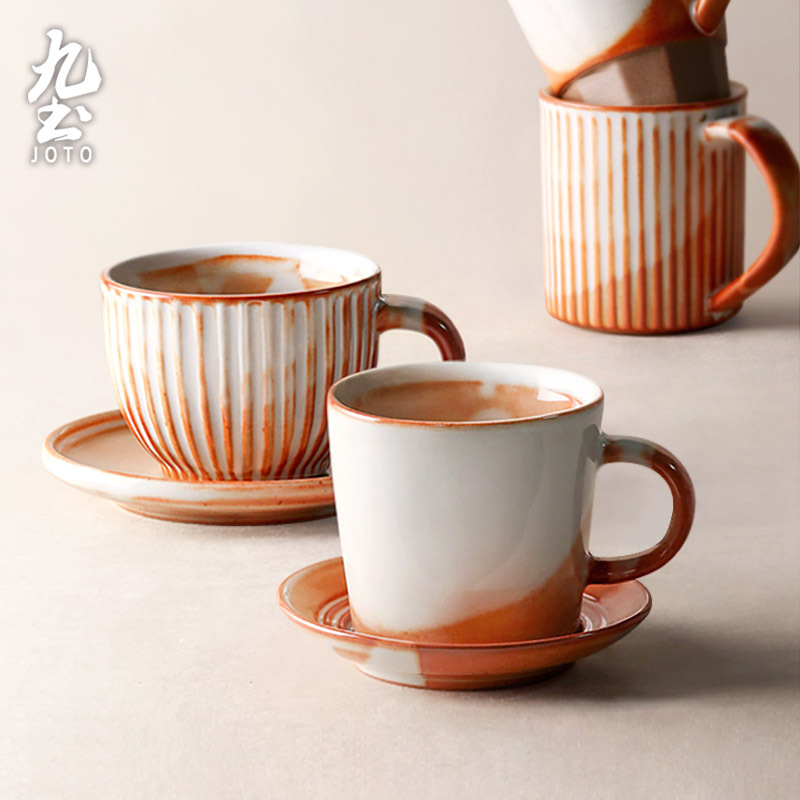
【Featured Product】JOTO Japanese Ceramic Coffee Mug and Saucer_CFR0134
Anthropologist Marshall Sahlins offered a beautiful way of understanding this question, arguing that kinship is fundamentally about “mutuality of being.” What happens to you affects me; your happiness makes me happy; when you fall ill, I cannot treat it as something that has nothing to do with me. Blood ties can certainly be one source of such relationships, but they do not have a monopoly on them. Around the world, people make those with whom they share no biological connection into kin by sharing food, names, land, labor, and life experiences. This perspective loosens the idea of “family” from biology and allows us to see again how intimacy accumulates over time. A birth certificate can establish a status almost instantly, but what truly intertwines two lives is usually everything that comes afterward: all the days they spend living alongside one another.
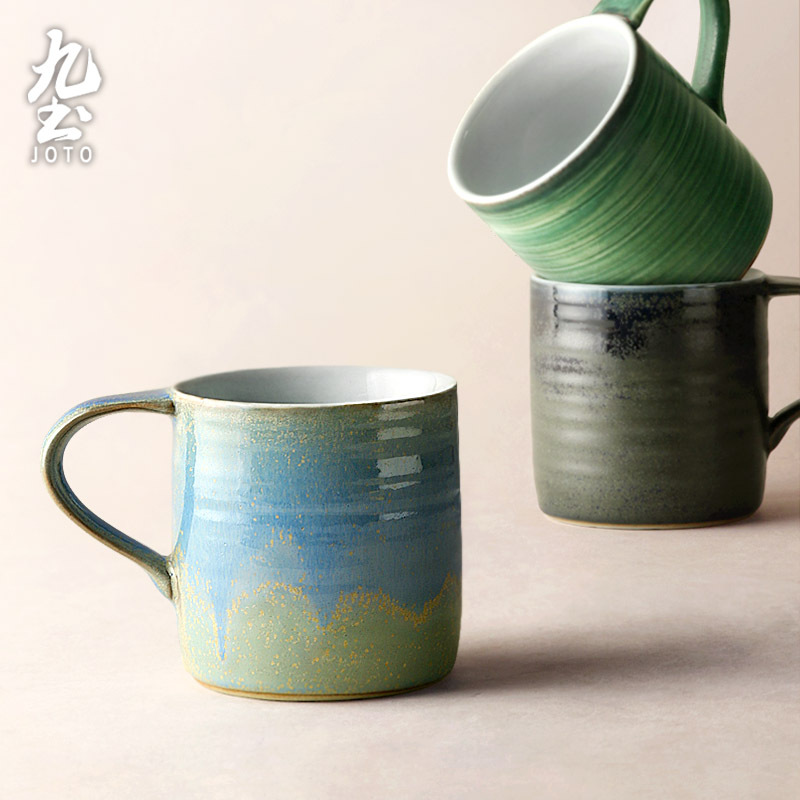
【Featured Product】JOTO Handmade Vintage Kiln-Changed Mug_CFR0136
Janet Carsten’s research in a fishing village on Langkawi, Malaysia, turns our attention toward the hearth. People live within the same house, cook over the same hearth, and continually eat food prepared for one another; through this process, their bodies and relationships gradually become closer. The home therefore takes on a very tangible power: it gathers people who were once separate into a shared rhythm of life. Who wakes first in the morning, how much rice should be cooked, who looks after the children, whether those returning from fishing eat first or later—these details repeat themselves every day. They may seem undramatic, yet they continually produce relationships. Kinship, in this sense, resembles a pot of soup simmering slowly over time. Putting the ingredients together is only the beginning; what truly transforms the flavor is the time they spend cooking together.
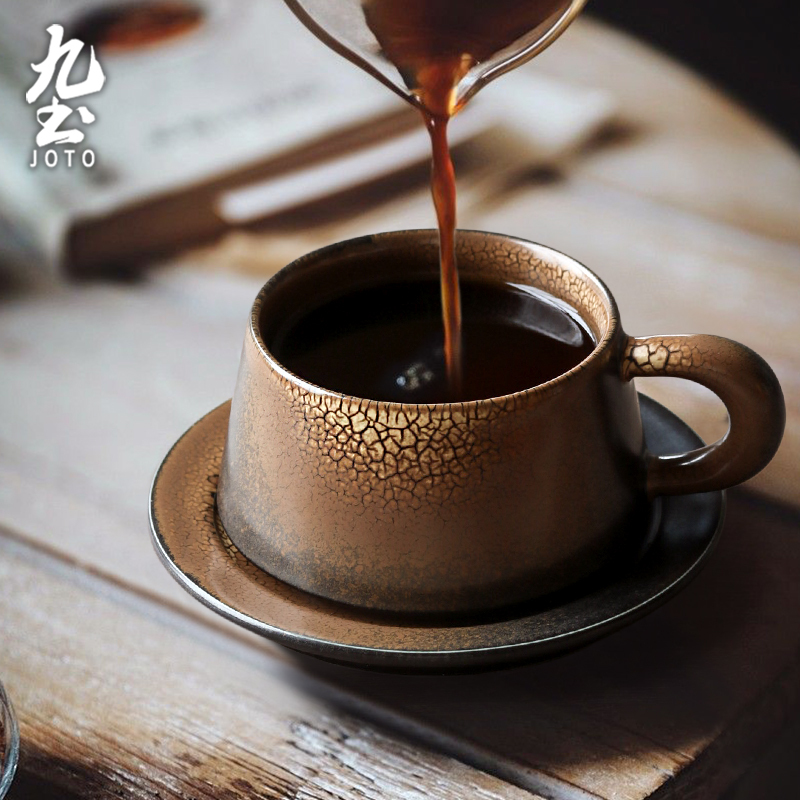
【Featured Product】JOTO Vintage Household Coffee Mug and Saucer_CFR0137
Returning to Taiwan, Wang Mei-hsia’s research on the Atayal, Truku, and Seediq peoples likewise shows us that being “family” can be far more flexible than we commonly imagine. What gaga, gaya, and waya encompass is not merely a set of abstract rules; these principles are enacted through shared labor, rituals, meals, and ongoing social relationships. Home, then, is more than a space enclosed by walls. It is simultaneously a web of relationships, a set of responsibilities, and an emotional world formed through living together. Such understandings are familiar across anthropological research on Southeast Asia and Austronesian societies. A house can preserve ancestral memories, connect different generations, and bring together people linked through marriage, adoption, exchanges of labor, and everyday care. Houses are repaired and expanded; people move in and out; relationships are rearranged along the way. The boundaries of home have never been as rigid as we might imagine.
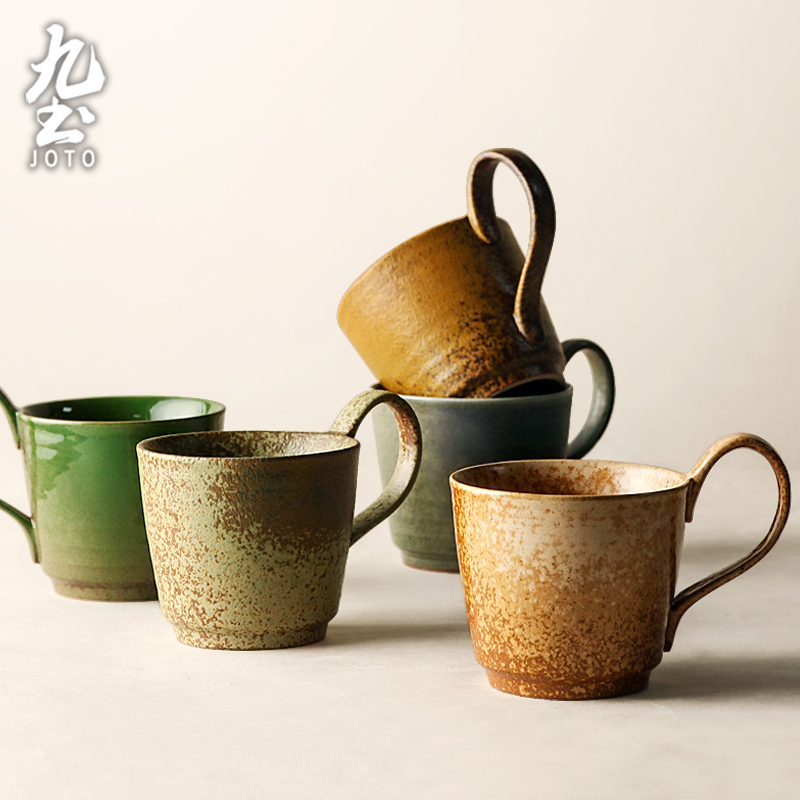
【Featured Product】JOTO Handmade Creative Ceramic Coffee Mug_CFR0138
Perhaps what these studies ultimately offer us is a wonderfully liberating possibility: love can begin at home and grow outward into many different forms. Partners who have lived together for years, friends who care for one another, adults who share no blood relation with a child yet accompany them as they grow, or even people who, during a certain period of life, eat together, split the rent, and bring in each other’s laundry may, over time, become deeply important kin. A relationship does not need to be given a name before it deserves to be cherished. Often, it is precisely the small things we do for one another every day that gradually give the relationship its name. You come home at night and find that someone has saved you a bowl of food. Familiar voices drift through the house. You know that somewhere within this home, someone is thinking of you and your life matters to them. Perhaps this is where love begins: inside a home, people eat together and live together, until, little by little, they have lived one another into their own lives.
Want to discover more beautiful pieces? Visit the JOTO website: https://www.jotomall.com/


