Whenever I used to hear the phrase “You have to learn to love yourself first,” something about it never quite sat right with me. It makes it sound as though, if we take good enough care of ourselves and adjust our thinking until it is positive enough, we will suddenly make peace with who we are. But life does not work that way. Some mornings, we wake up to the same mess we still have no idea how to clean up. Something we thought we had figured out yesterday becomes tangled again today. Just when we begin to feel that we have finally moved forward, the next low point arrives and makes us wonder whether we have made any progress at all. While reading Alison Espach’s The Wedding People, what moved me most was not that Phoebe eventually “got better.” What makes the novel so delicate and compelling is that it begins where most stories would usually end: when someone has reached the point of almost no longer wanting to live, how exactly do they go on living afterward?
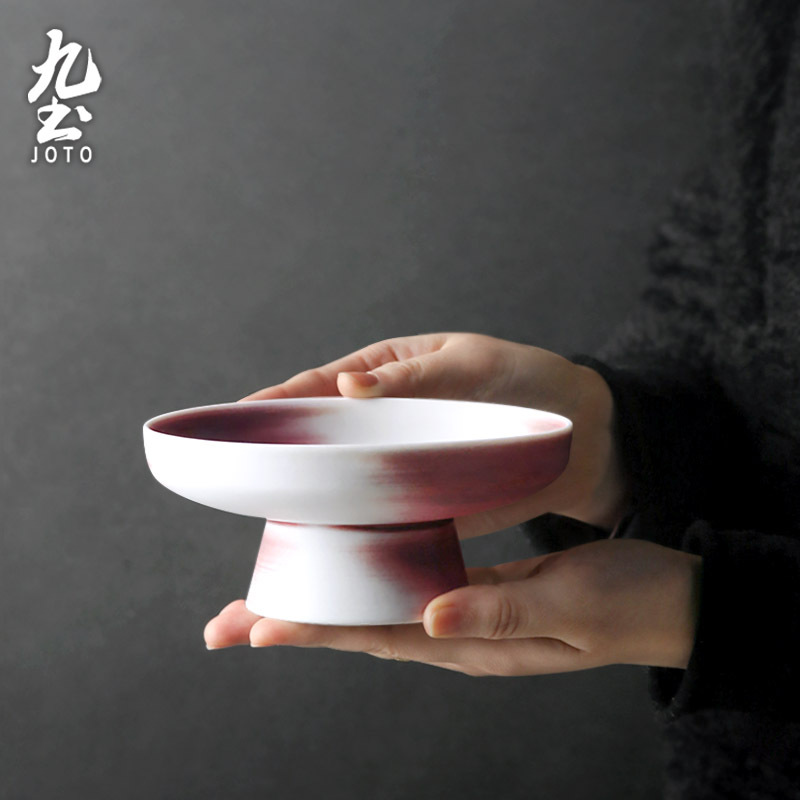
【Product Recommendation】JOTO Japanese Vintage Footed Fruit & Dessert Plate_CJR0519
There is one scene in the book that I have never been able to forget. Patricia talks about having a nude portrait painted, and what matters to her is not whether the painting makes her look beautiful. What matters is that someone looked carefully at her body—at its muscles and lines, at the changes time had left behind—and somehow, she did not feel ashamed. That scene made me reconsider what it means to “love yourself.” Perhaps what we truly long for is not to stand in front of the mirror every morning telling ourselves how much we love who we are, but to finally receive permission to exist in our entirety. We do not have to become thinner, more successful, or more emotionally stable before we are allowed to stand there. Nor do we have to hide all our messiness, desires, aging, and failures before we can let ourselves be seen. The idea of being “allowed to stand there naked” feels so powerful, perhaps because we spend so much of our lives trying to reshape ourselves into someone less likely to disappoint other people.
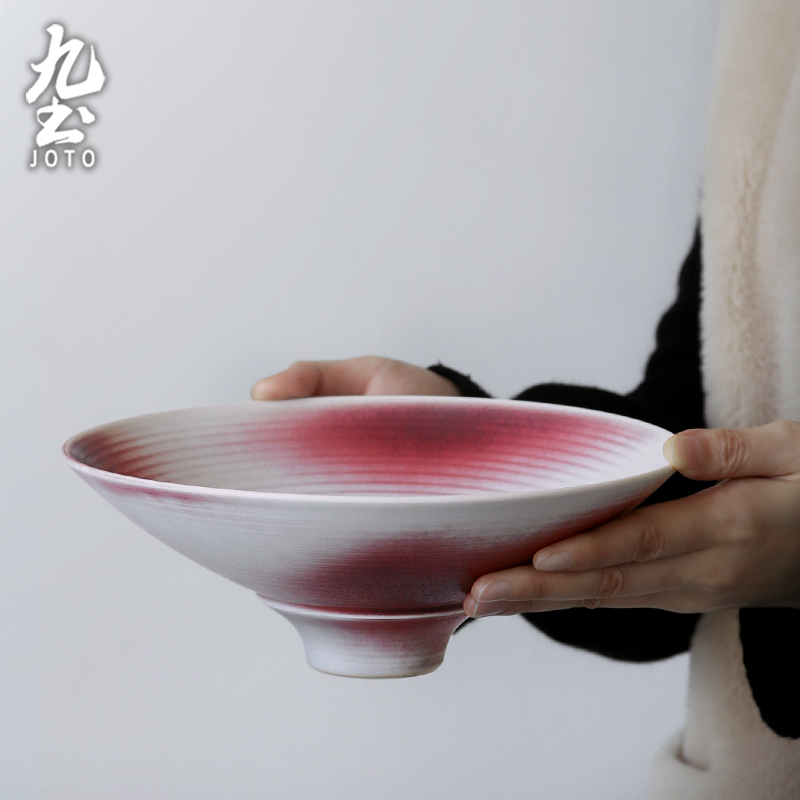
【Product Recommendation】JOTO Handmade Vintage Ceramic Noodle & Rice Bowl_CJR0521
The psychological concept of self-compassion may actually come closer to this feeling than the idea of “liking yourself.” It does not require us to constantly admire our appearance, personality, or choices, nor does it demand that we immediately find a positive meaning in every failure. What matters more is that when things really are terrible, we do not immediately join the crowd of people hurting us and add another voice inside our own heads saying, “See? It really is all your fault.” Research has linked self-compassion with lower levels of shame and self-criticism because it allows us to acknowledge something simple: I am genuinely hurting right now, and being in pain does not prove that I am a failure. Seen this way, loving yourself may be less of a feeling than an action. Letting yourself eat when you are hungry. Allowing yourself to rest when you are tired. Speaking up for yourself when you have been hurt. And when you realize that the life you have been living has left you numb with cold, being willing to look down and check your toes.
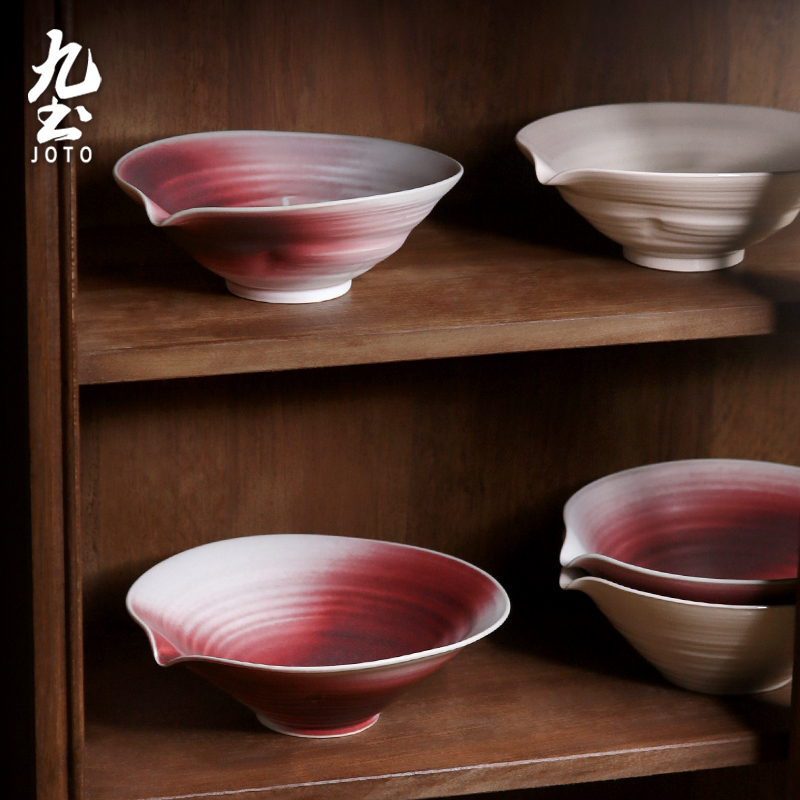
【Product Recommendation】JOTO Handmade Vintage Ceramic Noodle & Spouted Soup Bowl_CJR0522
This is also what stayed with me most in the later part of the novel. Phoebe once built an entire life for herself in order to survive: a marriage, an academic career, familiar surroundings, and an idea of the person she believed she was supposed to become. The problem is that the things that once saved us cannot necessarily carry us forward forever. Some ways of living begin as lifeboats, only to become houses stranded on the shore after we have stayed in them too long. Leaving them is difficult not because we are foolish or cowardly, but because dismantling that life can also feel like rejecting the version of ourselves who once fought desperately to survive through it. That is why getting back on our feet can be so difficult. Perhaps real change does not begin by despising our past selves for staying so long. Perhaps it begins by saying: Thank you for keeping me alive this way back then. But now, I can try another way of living.
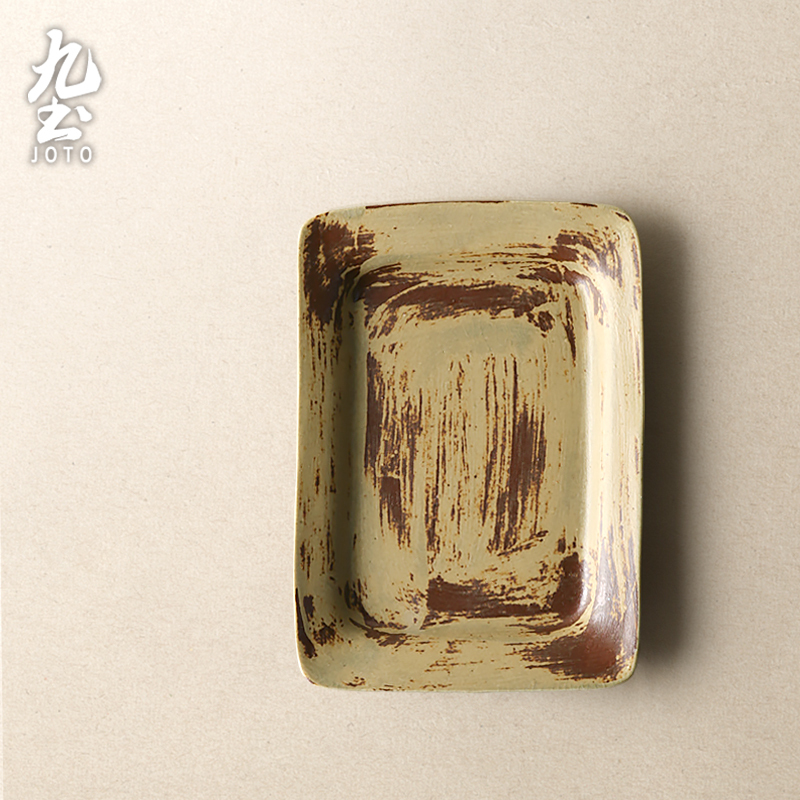
【Product Recommendation】JOTO Japanese Creative Vintage Dinnerware_CJR0523
After finishing the book, I began to think that “Is it really possible to love yourself?” may not be a question that needs a yes-or-no answer. Loving ourselves may never become a permanent state. We may still dislike ourselves sometimes, make a mess of things, and repeat lessons we thought we had already learned. What matters more, perhaps, is whether we are still willing to look down at our toes every once in a while and, when we realize they are cold, go back inside. Whether, even when no one reminds us, we are beginning to understand that we deserve to be cared for. By the time the novel closes, the wedding is over, and Phoebe still has to go back and sort through the life she left behind. So do we. The world in front of us has not suddenly become any easier. And yet perhaps there is now one tiny point of light inside us: What will happen next winter? Who might we meet? What will the next book, the next journey, or the next delicious meal be like? Perhaps this is where loving yourself begins—not with suddenly falling in love with life, but with finding yourself a little curious, once again, about what might happen next.
Want to see more products? Visit the JOTO official website.


