Over the past two weeks, we've taken a journey through Taiwan's summer. We first explored the festivals and streets that weave together the season's vibrant atmosphere, then turned our eyes toward the sunlight falling across farmlands, construction sites, parks, and the countless scooter riders who travel beneath it. This week, I'd like to follow the breeze a little farther.
The wind has no visible form, yet it always leaves traces behind: the salt carried inland from the sea, the rustling of rice fields, the heavy humidity that clings to your skin before an afternoon thunderstorm, and even the languages spoken by generations who came before us. The summer breeze drifting through today's arcades and alleyways may once have swept across Indigenous hunting trails, sailing ships entering colonial ports, farming villages of the Qing Dynasty, railways built during the Japanese colonial era, and the military dependents' villages and factories established after the Second World War. Taiwan's summer is difficult to capture with just a handful of symbols because every breeze carries more than one era within it.
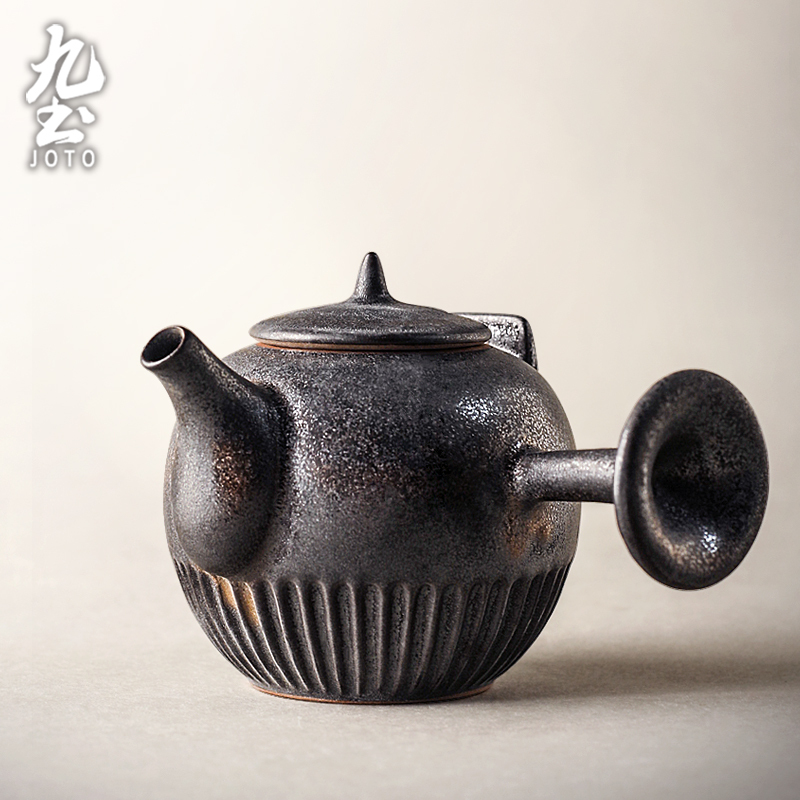
【Product Recommendation】JOTO Handcrafted Vintage Gilded Side-Handle Teapot_CHR0625
Long before foreign powers arrived, Taiwan's Indigenous peoples already lived by their own seasonal rhythms. Fresh leaves emerging in the mountains, flying fish returning with the ocean currents, millet ripening in the fields, and hunting grounds shifting with the seasons all marked the passage of time.
Beginning in the seventeenth century, Dutch merchant ships entered harbors in the south while the Spanish established settlements in the north. Missionaries, soldiers, merchants, and migrants gradually came ashore. Seeking to expand rice and sugar production, the Dutch East India Company recruited Han Chinese farmers to cultivate the land, reshaping both Taiwan's landscape and its population. Later, the forces of the Kingdom of Tungning crossed the Taiwan Strait, continuing agricultural expansion across the western plains through military settlements.
The summer winds of that era may have passed over Indigenous villages, sugarcane fields, warehouses filled with deerskins destined for trade, and newly cultivated farmland. Where cultures met, conflict inevitably followed. As new communities emerged, the lands and social orders of others were often pushed aside.
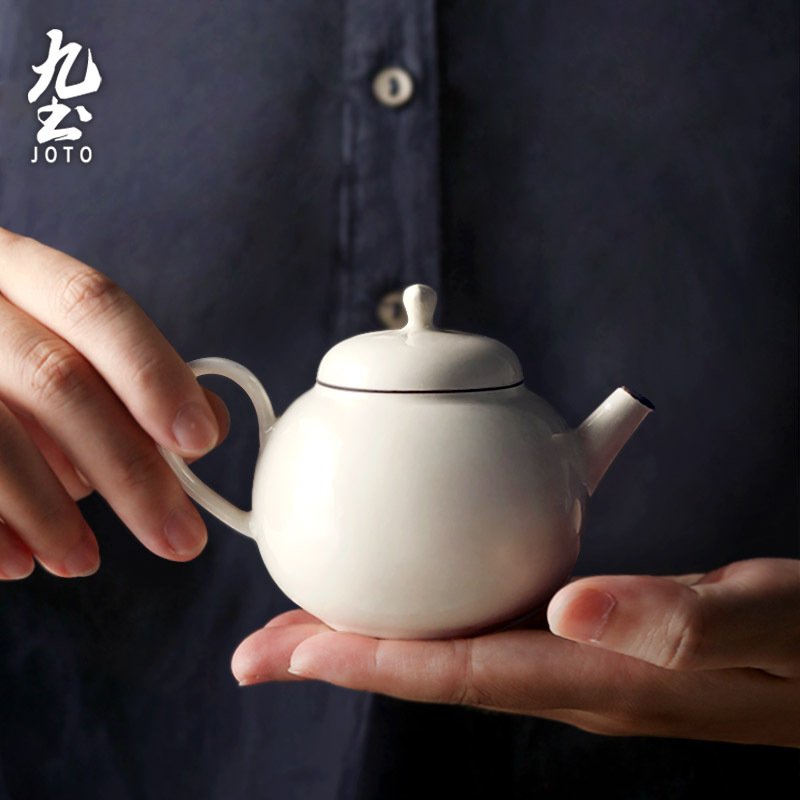
【Product Recommendation】JOTO Japanese Handcrafted Clay Teapot_CHR0626
During the Qing Dynasty, immigration continued to grow as settlers from Zhangzhou, Quanzhou, and Hakka communities established villages throughout the island, bringing with them their own languages, beliefs, cuisines, and farming traditions.
On summer afternoons, farmers irrigated their fields while ferries carried goods between river crossings. Temple courtyards became gathering places where people traded, negotiated business, and rested from the day's work. Deities from different hometowns found new homes on the same island, and religious festivals gradually adapted to Taiwan's geography and climate.
Yet local society was far from harmonious. Armed conflicts, disputes over land, and ethnic tensions remained part of its history. Even so, everyday life continued to find ways of moving forward. Meals blended local ingredients with inherited culinary traditions. Dialects absorbed one another's accents. Religious ceremonies shifted their calendars to suit the island's environment. By the time the summer breeze drifted through these settlements, it no longer carried the scent of a single homeland.
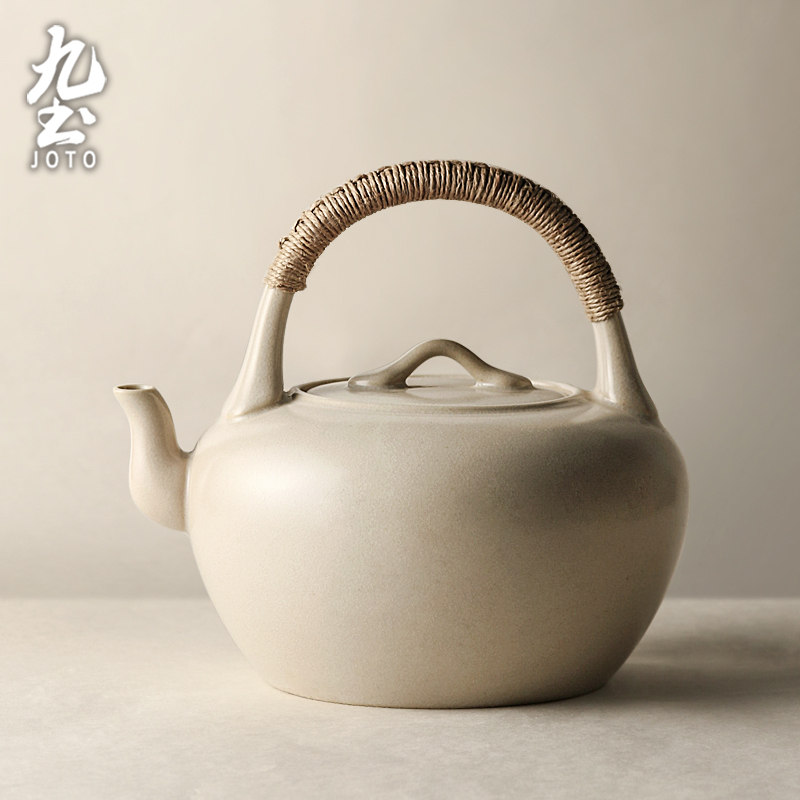
【Product Recommendation】JOTO Japanese Clay Tea Kettle with Zen Charcoal Stove_CHR0628
While reading Taiwan Travelogue, I found myself especially captivated by its portrayal of Taiwan during the 1930s.
Railways stretched across cities and countryside alike. Japanese travelers, Taiwanese interpreters, local cuisine, imperial institutions, and everyday island life all existed side by side beyond the train windows. Japanese colonial rule introduced modern transportation, public health systems, urban planning, and new consumer culture, while simultaneously establishing a clear—and deeply unequal—colonial hierarchy.
Railways shortened journeys, but they could not erase the distance between those who governed and those who were governed.
After the war, another wave of people arrived alongside the Republic of China government, bringing new languages, foods, and memories into military dependents' villages, marketplaces, and schools. Industrialization later transformed Taiwan once again. Factory shifts ending at dusk, afternoon naps beneath electric fans, streams of scooters, and brightly lit night markets all reshaped what summer looked and felt like.
Each generation believed it was building a new Taiwan. Yet the traces left behind by earlier generations never truly disappeared.
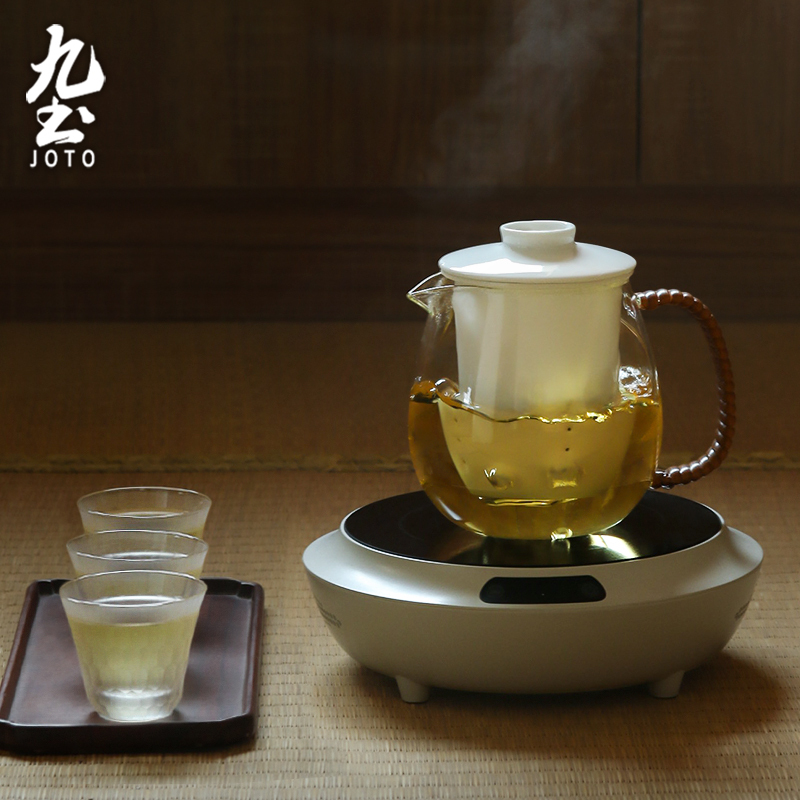
【Product Recommendation】JOTO Handcrafted Ceramic-Infuser Glass Teapot_CHR0629
Taiwan's summer has never resembled a finished painting whose composition remains forever unchanged. It is more like an ever-growing collage, a long scroll whose torn edges remain visible even as fresh layers of color continue to cover older brushstrokes.
The wounds left by multiple colonial regimes should never be brushed aside with simple phrases like "cultural richness." Yet the people of this island have demonstrated a remarkable ability to transform what history has handed them—to endure shifting systems of power, preserve what could still be preserved, and continue rebuilding life through new languages, new customs, and new relationships.
Today, when the summer breeze moves across Taiwan, temples, churches, Indigenous songs, railways, military village cuisine, and convenience stores all become part of the same landscape.
This flourishing tapestry is neither pure nor perfectly orderly. It carries the joy of encounters, the longing born of migration, and the lingering pain of colonial history.
That, perhaps, is what makes Taiwan's summer so moving.
The wind has passed through countless eras, and we remain here on this island—remembering, while continuing to write our own story.
Looking for more beautiful handcrafted pieces? Visit the official JOTO website: https://www.jotomall.com/


