【JOTO Teapot Recommendation】Let Everything Pass Through Your Heart, and Let Nothing Stay Forever
We are remarkably good at holding on to things. We take hundreds of photos while traveling, hesitate to delete old conversations, keep little notes from people who once meant a great deal to us, and revisit relationships that ended long ago as though we were still turning their pages. Modern life has made holding on easier than ever. Cloud storage preserves our photographs, social media reminds us of what happened on this day years ago, and with a few swipes through an old conversation, we can find a message from several years earlier, still sitting there exactly as it was written. Technology has extended the lifespan of our memories, but it has not necessarily made us any better at saying goodbye. We collect so much of the past that sometimes we end up keeping ourselves there too, reluctant to acknowledge that certain seasons of our lives have truly come to an end.
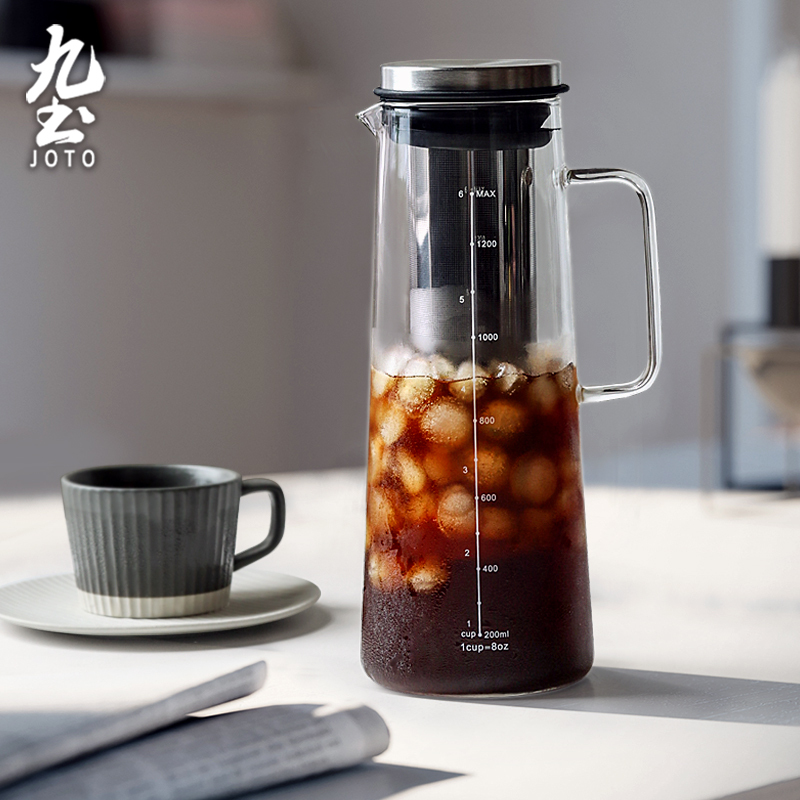
【Product Recommendation】JOTO Large-Capacity Filtered Water Pitcher & Cold Brew Jug_CHR0643
The Buddhist concept of impermanence teaches that nothing in the world remains unchanged forever. Our bodies change, our relationships change, and our feelings change. The practice of the Four Foundations of Mindfulness even involves observing how a feeling arises and eventually fades. When sadness appears, we recognize that sadness is present. When anger arises, we notice that it has taken up space within us. The point is not to eliminate these feelings as quickly as possible. The harder we try to push certain things away, the more stubbornly they seem to cling to us. But when we allow a feeling to arrive fully, acknowledging, “Yes, I really don't want to let go right now,” or “I truly am heartbroken,” we give it the chance to move on at its own pace. If the heart were a house, our emotions would be welcome to sit and stay for a while. But we would not have to grant every visitor permanent residency.
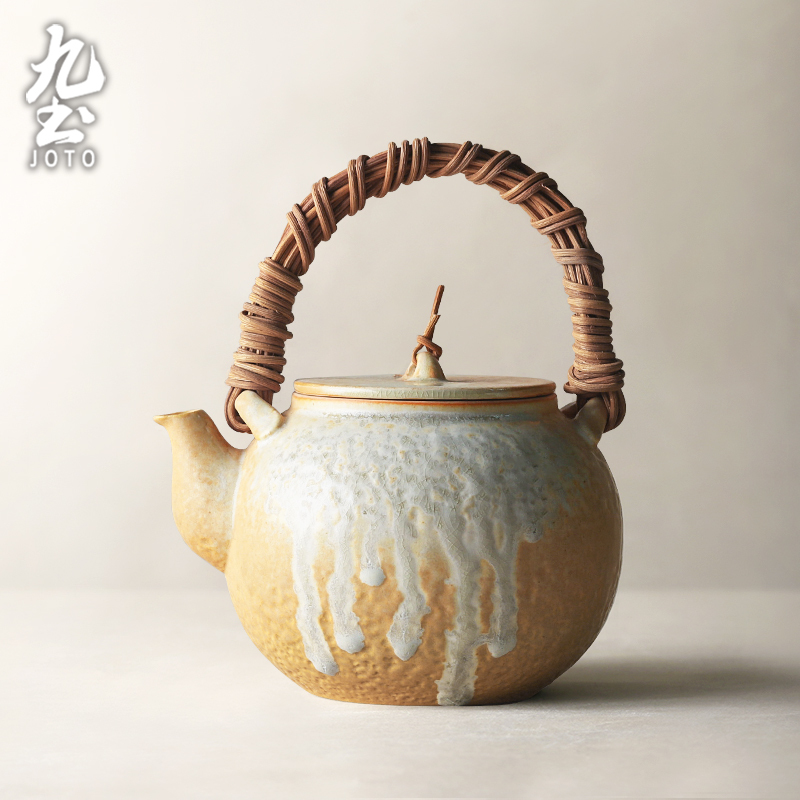
【Product Recommendation】JOTO Handmade Rattan-Wrapped Heat-Resistant Teapot_CHR0644
This way of thinking is quite different from how we are accustomed to living. Modern society constantly encourages accumulation: another achievement on our résumé, a little more money in our bank account, another experience worth displaying, and relationships that ideally develop toward some definite outcome. As a result, we easily interpret loss as regression and endings as proof that everything we invested beforehand was wasted. Yet many of life's most meaningful encounters never promised to last forever. Someone we once shared a home with may have left, but the evenings we spent together still happened. A book that once saved us may no longer move us in the same way when we reread it years later, but that does not erase what it meant to us then. The fact that nothing stays forever does not mean that nothing leaves a trace. What passes through our lives changes us, and then life continues moving forward.
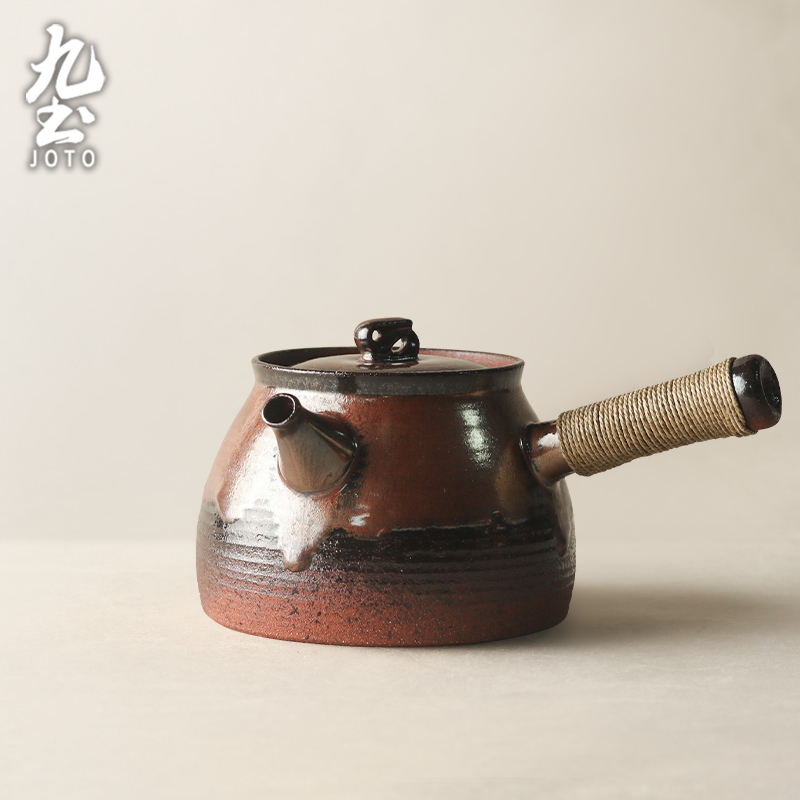
【Product Recommendation】JOTO Vintage Household Teapot_CHR0645
This is why I find the Buddhist idea of non-attachment both so difficult and so beautiful: it still asks us to love wholeheartedly. Knowing that flowers will eventually wither makes us look at them more carefully today. Knowing that every gathering will someday come to an end reminds us not to spend a shared meal staring down at our phones. When we truly loosen our attachment, we may actually become more capable of being fully present. We no longer treat the people in front of us as possessions, nor do we have to spend every happy moment worrying about when it will disappear. When we love something, we can simply love it. When we are sad, we can allow ourselves to grieve. When something is worth fighting to keep, we can do everything we can. And if, in the end, it still cannot stay, we can gradually loosen our grip. This is a long way from indifference. In fact, it requires a profound capacity to care.
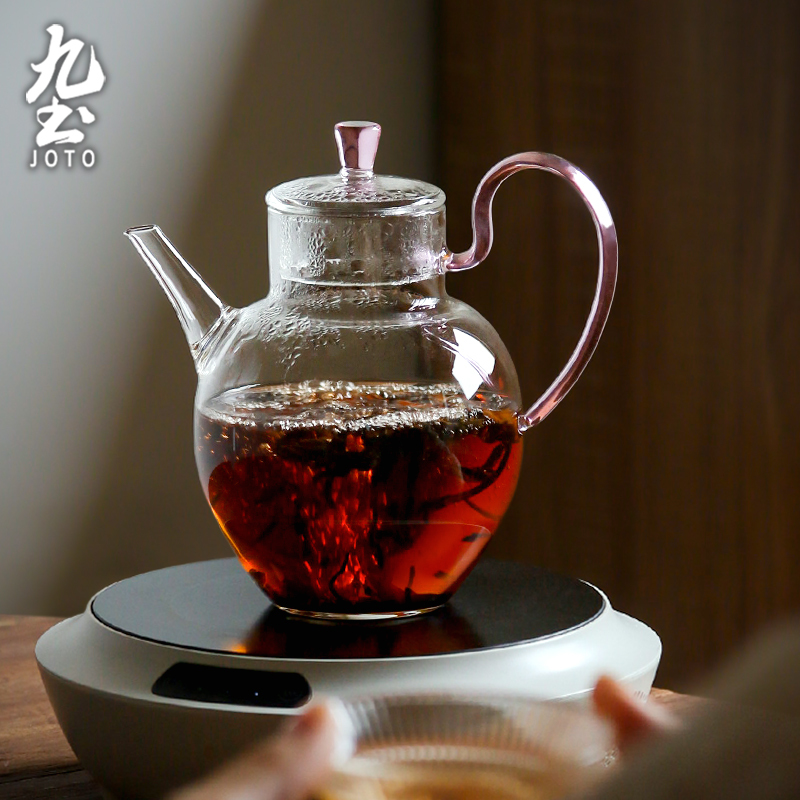
【Product Recommendation】JOTO Minimalist Heat-Resistant Glass Teapot_CHR0646
“Let everything pass through your heart, and let nothing stay forever” is therefore a lifelong practice. We are unlikely to wake up one morning and suddenly become completely at ease with every goodbye, nor do we need to train ourselves to become people who cannot hold on to anything. We can still keep old photographs on our desks and listen to familiar songs again and again. What matters is knowing that when the seasons move forward, we can move with them. Cherish what has come into your life. Be fully present with those who are still beside you. And when something has already left, allow it to remain part of the time to which it belonged. A river flows past its banks without a single drop of water staying in place, yet the banks are hardly left untouched. Perhaps life works in much the same way. Countless encounters wash over us, shape us, and change us, until we continue forward carrying the traces of everything that has passed through our lives.
Want to see more products? Visit the JOTO official website.


