Not long ago, I was chatting with a friend when we found ourselves asking an interesting question: if Japan's summer can be instantly summed up by festivals, ramune soda, and wind chimes, then what is Taiwan's summer? The first thing that came to mind wasn't a neat, easily packaged answer. Taiwan's summer feels more like a street corner at half past six in the evening. The asphalt is still radiating heat. Scooters line up beneath the arcades. Plastic cups of bubble tea are covered in beads of condensation. The sound of temple drums echoes from somewhere deep within an alley. The convenience store door slides open and shut as cool air spills into the heavy warmth outside. It isn't something that can easily be distilled into a postcard, nor does it come with a ready-made collection of beautiful symbols the moment you mention it. Yet perhaps that's exactly why Taiwan's summer has always fascinated me. Beneath it lies something richer—a vibrancy that has never quite been fully described, a landscape that is imperfectly arranged yet unmistakably alive.
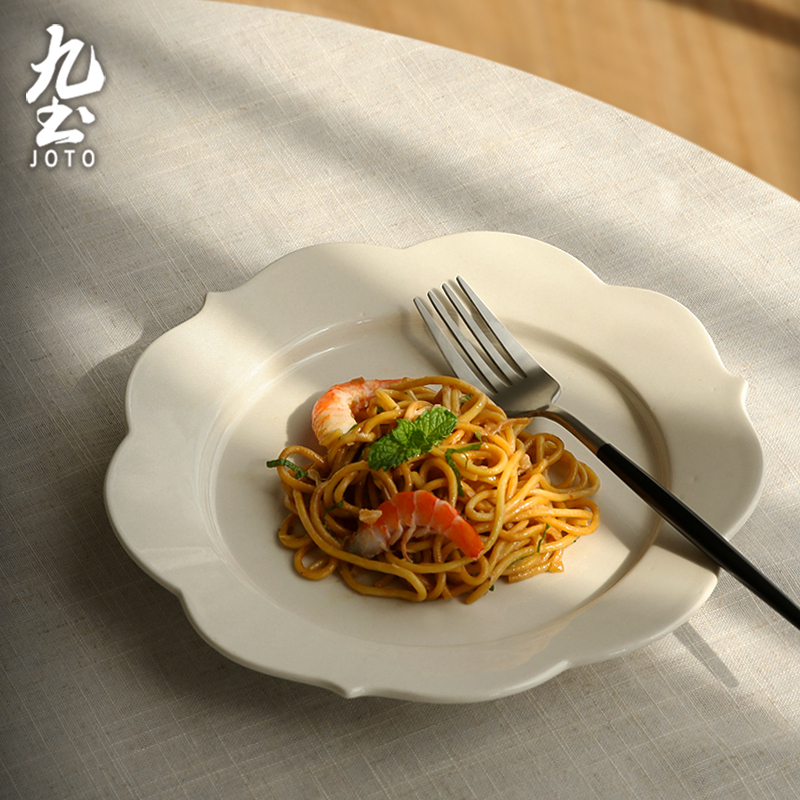
【Product Recommendation】JOTO Japanese Handcrafted Ash-Glazed Ceramic Plate_CJR0493
In recent years, many Koreans have described Taiwan's cityscape using the phrase Taiwan Sensibility. I've always found that expression fascinating. What they admire is rarely the carefully curated tourist attractions. Instead, they are drawn to shaded arcades, decorative iron window grilles, faded shop signs, rain-soaked streets reflecting light, and neighborhoods that feel a little worn yet wonderfully relaxed. In other words, the very things we sometimes dismiss as cluttered, messy, or lacking refinement become, through someone else's eyes, the defining character of Taiwan. Taiwan's summer is much the same. At first glance, it may seem to lack a single iconic cultural symbol. It isn't simple, nor is it easily explained. But that doesn't mean it lacks culture. Rather, it holds too much culture—too densely layered and too vibrantly alive—to be reduced to a single image. Its summer carries the scent of salt from the sea, incense from temples, sweat under the afternoon sun, and the warmth radiating from metal shutters after hours of western sunlight. It is filled with countless people, countless voices, and countless histories sharing the same season.
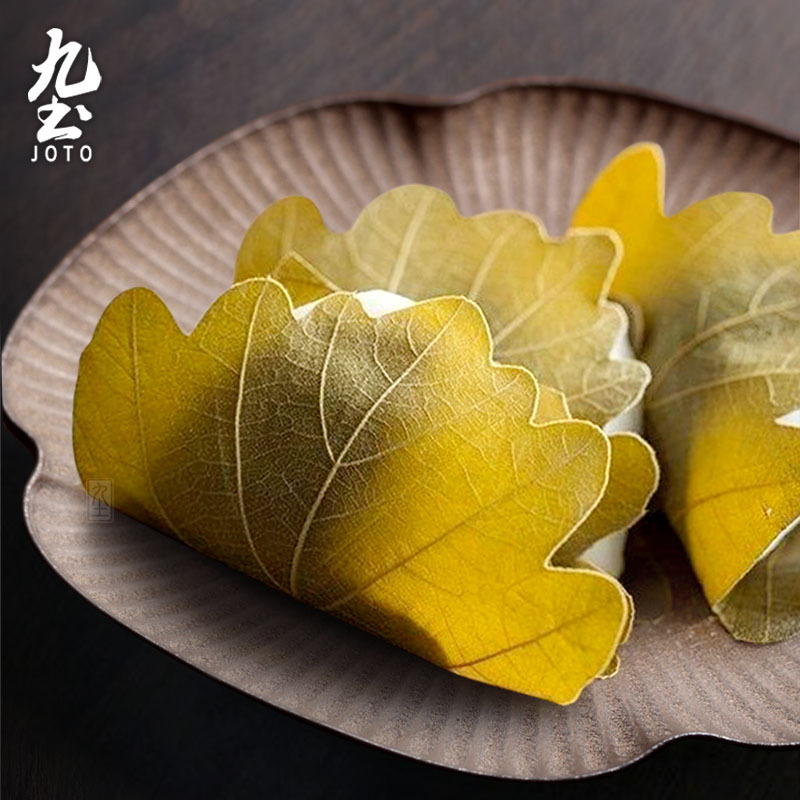
【Product Recommendation】JOTO Japanese Handcrafted Ceramic Dinner Plate_CJR0480
If I had to describe what makes Taiwan's summer unique, I would think instead of the rituals that unfold one after another throughout the season. As soon as the Dragon Boat Festival passes, the pounding drums and racing boats along the rivers announce the arrival of summer. Then, during the seventh lunar month, the lanterns, offerings, and floating water lanterns of the Keelung Ghost Festival transform the harbor into a place where ancestral spirits, the sea, and local memory become intertwined. Travel farther east, and the Indigenous peoples' annual harvest festivals bring another rhythm entirely—one shaped by songs, dances, age-grade traditions, ancestral spirits, and expressions of gratitude that have endured through generations. When these moments are viewed together within the same season, it becomes clear that Taiwan's summer has never followed a single narrative. On one island, you encounter Han Chinese festivals, local folk religions, Austronesian cultural traditions, and, in certain places, traces of churches, harbors, and colonial cities—all existing side by side. Summer is not simply a season here. It feels more like a temporary archive, opened once a year, where different layers of history illuminate themselves all at once.
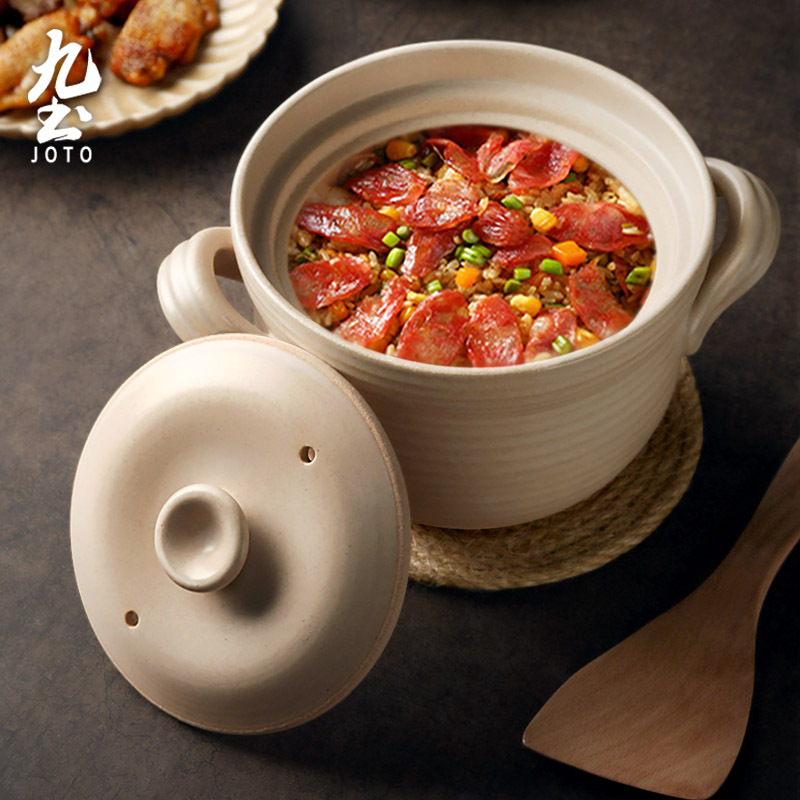
【Product Recommendation】JOTO Japanese Handcrafted Double-Lid Clay Soup Pot_CJR0509
For that reason, I no longer think Taiwan's summer is somehow "without culture." Quite the opposite. Its greatest strength lies in its extraordinary capacity to embrace difference—to preserve the cultures that have crossed paths on this island and gradually transform them into something uniquely its own. Taiwan has never tried to preserve culture as something perfectly pure, sealed off, or unchanging. Instead, different traditions are allowed to meet, overlap, and reshape one another through everyday life. Traditional festivals evolve alongside changing climates and urban rhythms. Local celebrations absorb new technologies, performances, and forms of tourism. Customs once rooted in particular communities or historical periods are continually rediscovered under new social conditions. What appears chaotic is, in truth, layered. What appears mixed is, in truth, transformation. Perhaps Taiwan's greatest treasure is that it never feels compelled to prove its cultural purity. Instead, it allows every encounter to leave its mark, letting fragments from different eras continue breathing together in the present.
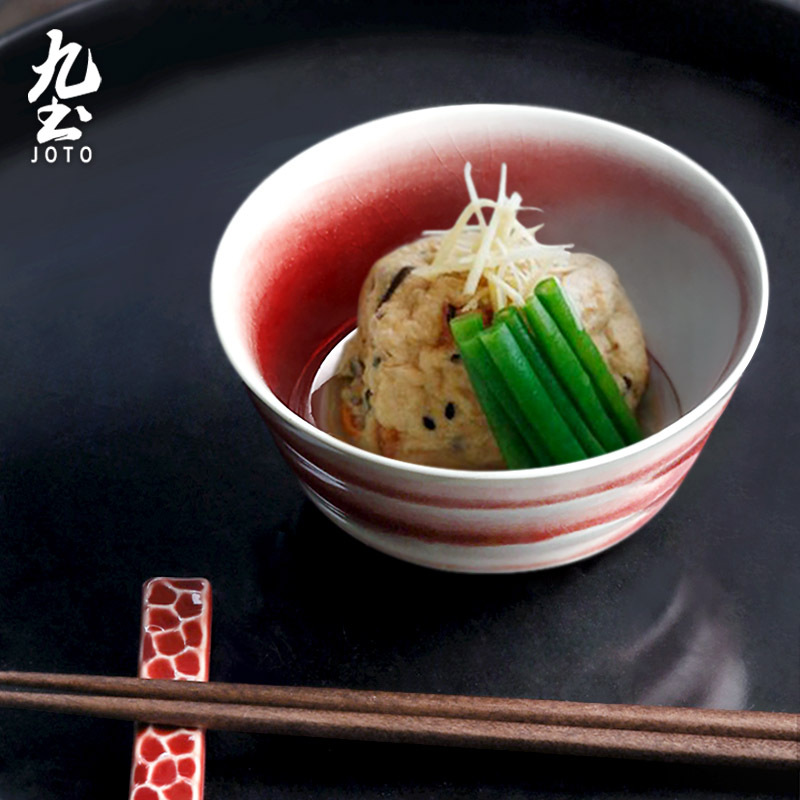
【Product Recommendation】JOTO Japanese Handcrafted Vintage Ceramic Bowl_CJR0510
So if you were to ask me today what Taiwan's summer truly is, I would probably answer this: Taiwan's summer is the most brilliant chapter of midsummer. It is remembered not through a single symbol, but through an entire book whose pages turn quickly before your eyes. The shade beneath an arcade is one page. The floating lanterns of a harbor are another. The thunder of dragon boat drums fills another. The songs of the Indigenous harvest festivals along the east coast fill yet another. Temple courtyards, churches, ocean breezes, shaved ice shops, night markets, old storefront signs, Indigenous languages, Mandarin, Taiwanese Hokkien—even the everyday street customs whose origins no one can quite trace anymore—each deserves its own page. It is not perfectly orderly, and that is precisely what makes it so unmistakably Taiwanese. Other countries' summers may be captured in a handful of familiar images. Ours feels more like an island novel that is still being written. Its earlier chapters tell stories of colonization, migration, encounters, and transformation. Its later chapters are still unfolding, as new cultures, new languages, and new ways of life continue to grow from those encounters. That endless process of weaving together, reinventing, and creating anew may be the most captivating thing about Taiwan's summer.
Looking for more beautiful handcrafted pieces? Visit the official JOTO website: https://www.jotomall.com/


